10 surprising facts about Tenerife you probably didn't know
I live in Tenerife and it still surprises me: Mount Teide measured from the seabed, the port a volcano buried, the nine Guanche kingdoms… 10 real facts.
 Miriam7 min readVerified · June 2026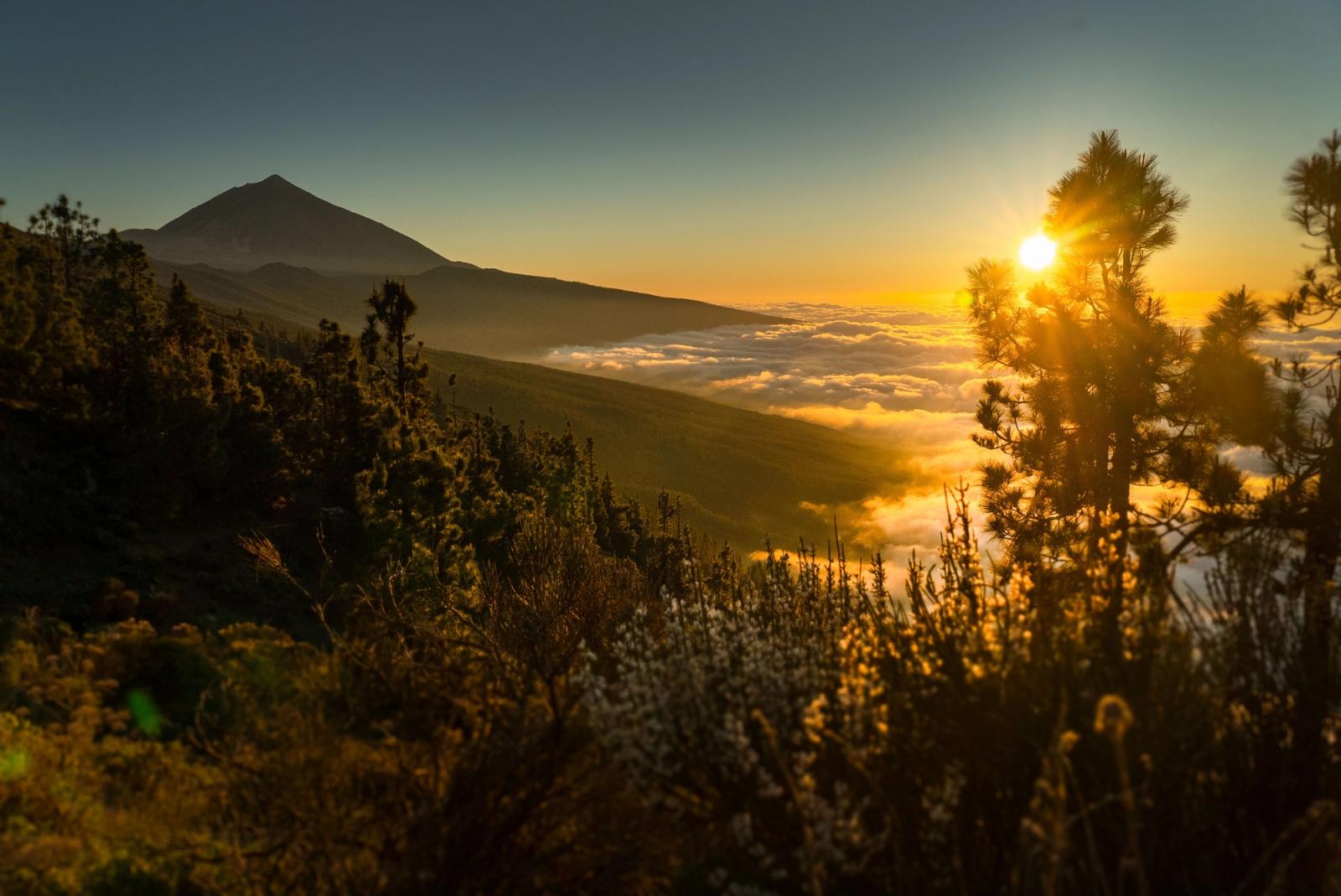
After so many years living in Tenerife, I still keep discovering stories and interesting facts that manage to surprise me. This island is so much more than beaches, good weather and stunning landscapes: historic battles were fought here, eruptions changed the fate of entire towns, and there are places so special they look like something out of a fairy tale.
If you think you already know everything about Tenerife, keep reading. Here are some of the island's most surprising facts.
The 10 Tenerife facts, at a glance
- Mount Teide: the highest peak in Spain (3,715 m) and, measured from the ocean floor, one of the tallest volcanoes in the world.
- The Santa Cruz Carnival: one of the most famous on the planet, twinned with Rio de Janeiro's.
- The Drago Milenario: not quite a thousand years old (800–1,000), but one of the oldest dragon trees in the world.
- Nelson: the British admiral lost an arm trying to conquer the island in 1797.
- Garachico: an eruption buried what was Tenerife's most important port in 1706.
- Anaga: an almost prehistoric laurel forest, now a Biosphere Reserve.
- Protected skies: one of the best places in the world for stargazing, home to the Teide Observatory.
- The sea of clouds: the trade winds form a white ocean between the mountains.
- Whale Heritage Site: the first in Europe, with cetaceans living here all year round.
- Nine Guanche kingdoms: before the conquest, the island was split into nine menceyatos.
1. Mount Teide is the highest peak in Spain… and one of the tallest volcanoes in the world
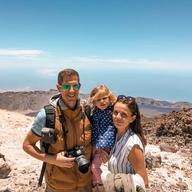
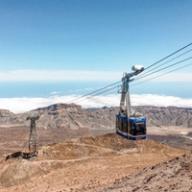
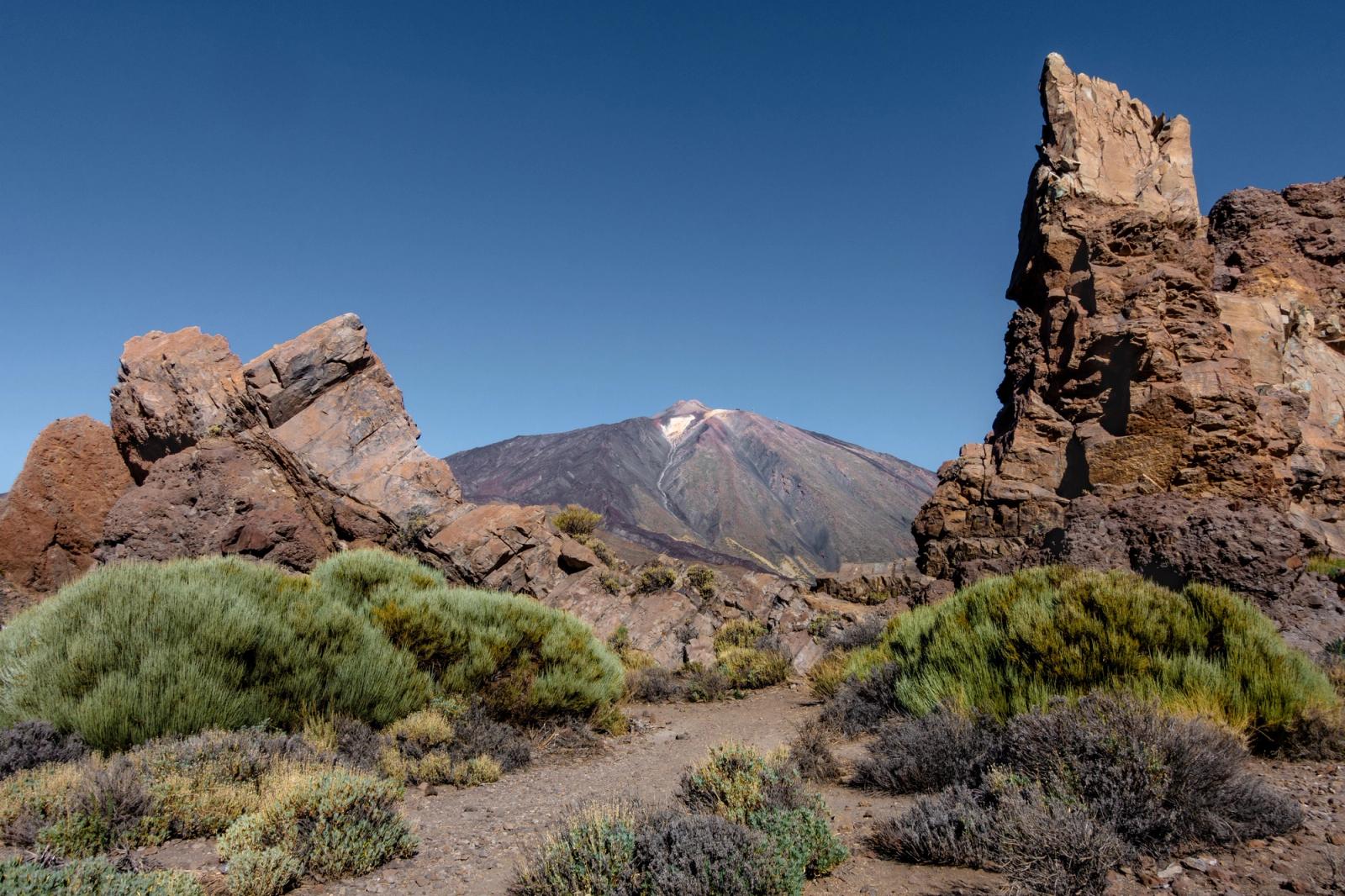
At 3,715 metres, Mount Teide is the highest mountain in Spain. But here's something many people don't know: measured from its base on the ocean floor it tops 7,000 metres, which makes it one of the tallest volcanoes in the world.
What's more, Teide National Park is the most visited in Spain and one of the most visited in Europe. No wonder — it's a one-of-a-kind landscape that makes you feel like you're on another planet.
2. It has one of the most famous carnivals on the planet
The Santa Cruz de Tenerife Carnival is one of the biggest festivals in the world, and many consider it the most famous carnival in Europe. Every year it draws hundreds of thousands of people with its galas, troupes, concerts and parades.
The city is twinned with Rio de Janeiro because of their carnivals, and the celebration holds the title of Festival of International Tourist Interest. Tenerife is also pushing its bid for UNESCO Intangible Cultural Heritage status.
3. The Drago Milenario isn't really a thousand years old
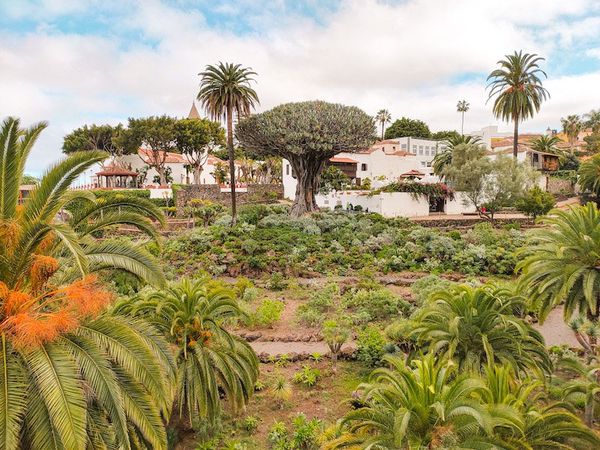
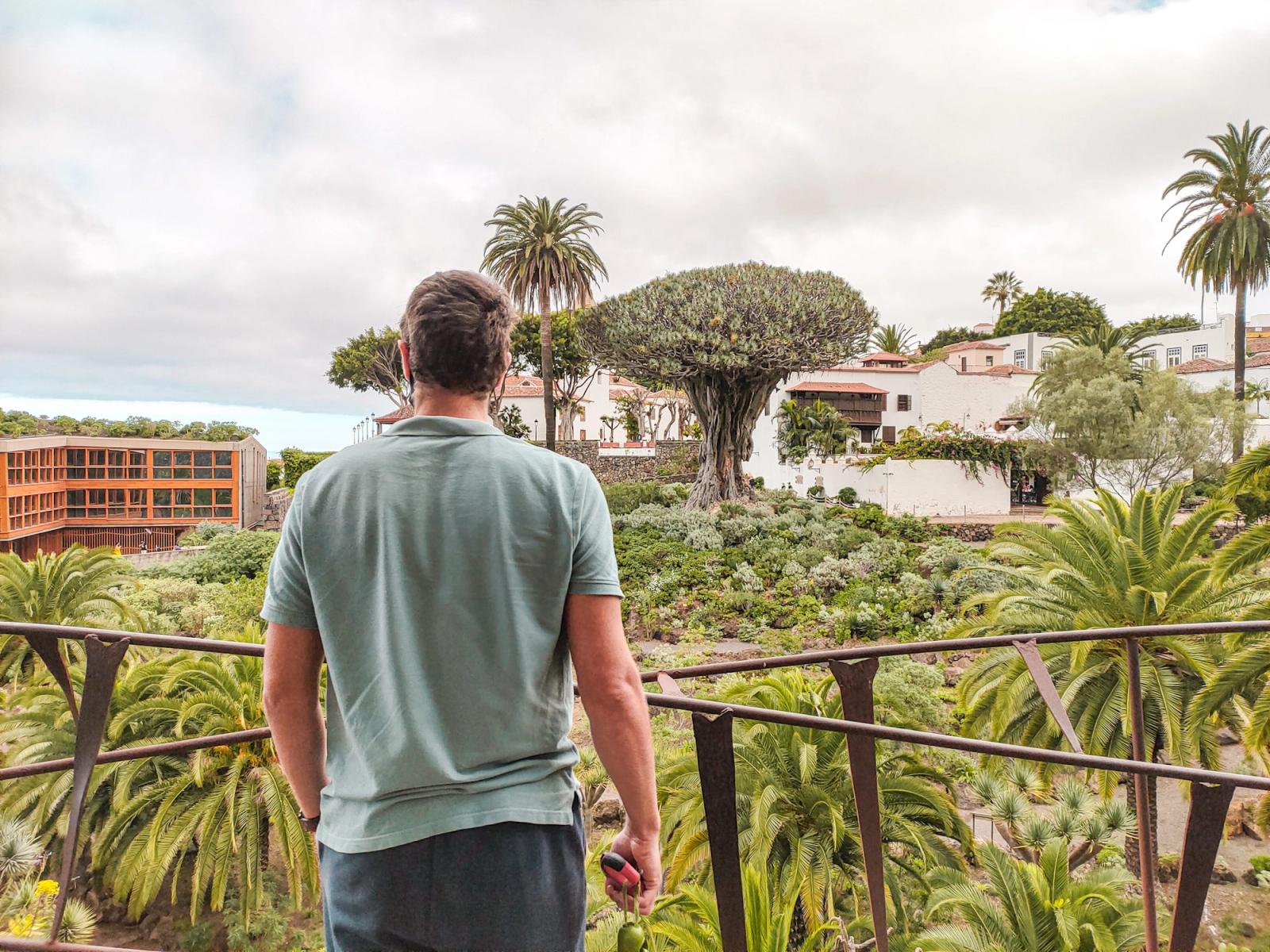
The Drago Milenario in Icod de los Vinos is one of Tenerife's most recognisable symbols. Although its name suggests it's over a thousand years old, experts reckon its real age is between 800 and 1,000 years.
Even so, it's still one of the oldest and most spectacular dragon trees in the world. The curious part: it produces a reddish sap known as dragon's blood, credited for centuries with medicinal and magical properties.

4. Nelson lost an arm trying to conquer Tenerife
Few visitors know that Tenerife is part of one of the most famous stories in British naval history.
In 1797, Admiral Horatio Nelson tried to take Santa Cruz de Tenerife with a powerful English fleet. The attack failed, and during the battle he was shot in the right arm, which had to be amputated soon after.
Yes, the same Nelson who years later became a British national hero was defeated in Tenerife.
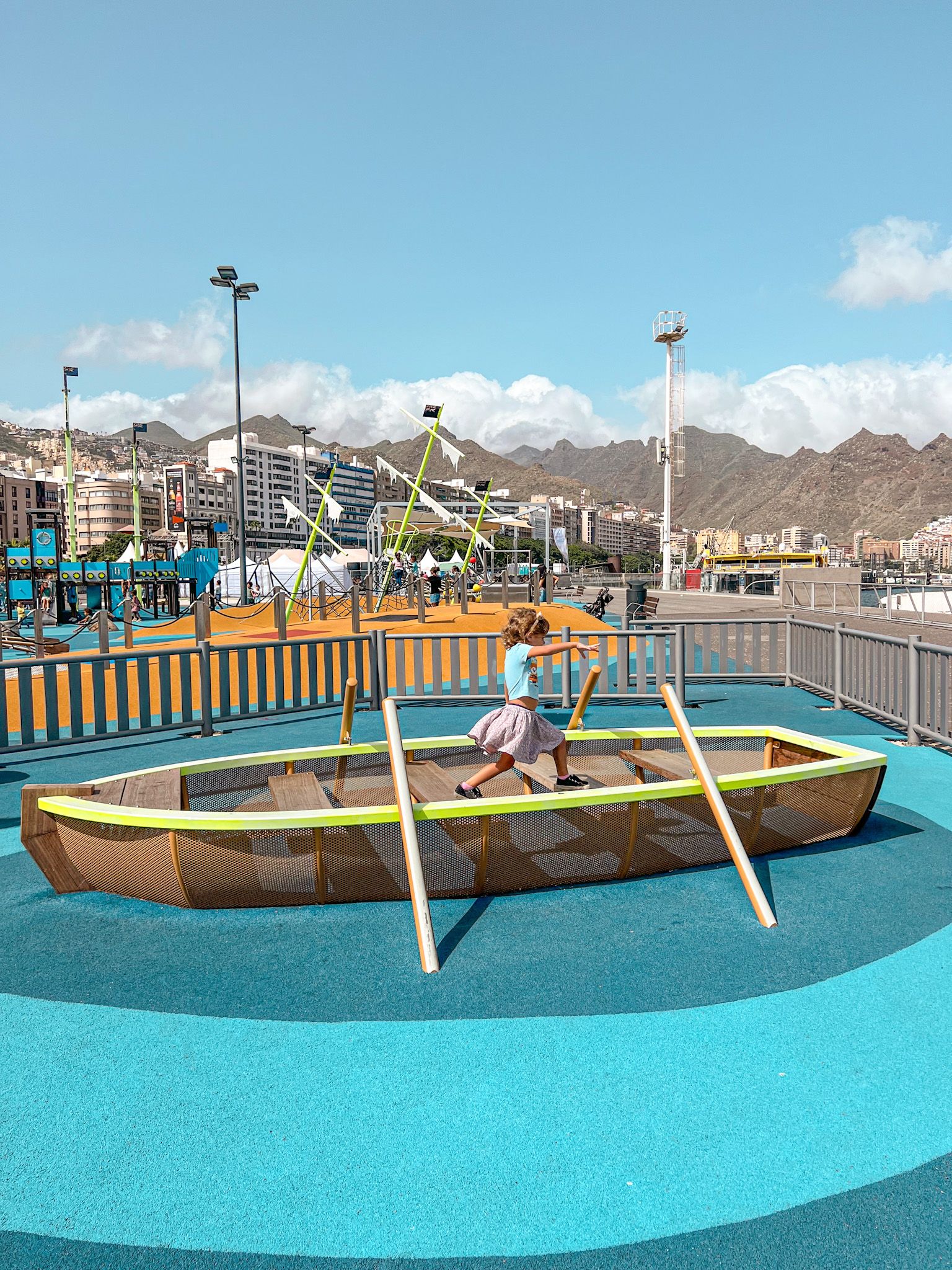
If you're travelling to Tenerife with children, I'd suggest popping over to the Gesta del 25 de Julio de 1797 playground (Plaza de España, 38001, Santa Cruz de Tenerife). It's inspired by the battle against Nelson, with a big wooden fortress, bridges, cannons, towers and play areas where little ones can climb, explore and pretend to be pirates or soldiers defending the city. While they play, you can tell them how Santa Cruz managed to defeat one of the most powerful armadas of the time. You know how much I love my daughters learning while we travel, almost without realising it.
The one thing I miss in this playground is some shade, so I'd recommend visiting first thing in the morning or at sunset.
5. A volcanic eruption buried the island's most important port
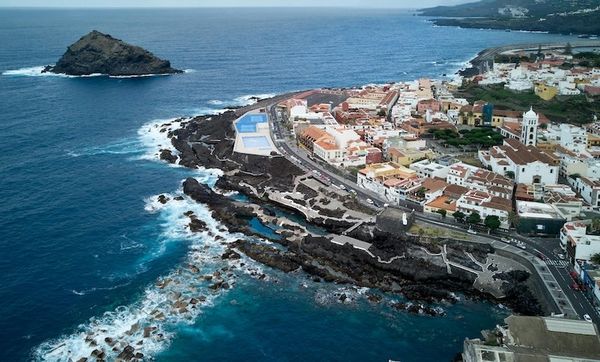
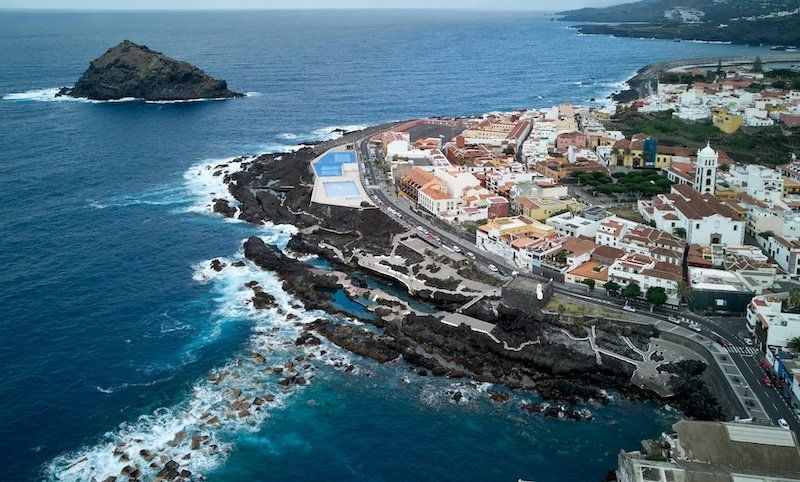
Today Garachico is one of the prettiest towns in Tenerife, but in 1706 it nearly disappeared.
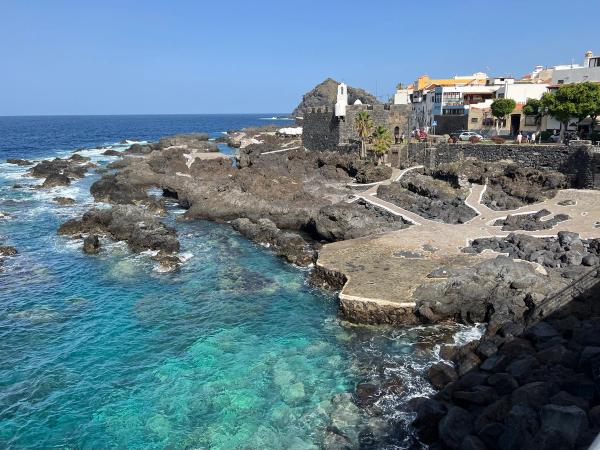
The eruption of the Trevejo volcano covered much of the town in lava and destroyed what was then the island's most important commercial port. That disaster changed Tenerife's economy forever.
The curious thing is that the famous El Caletón natural pools — one of Garachico's most visited spots — were born from that very lava.
6. Anaga is a genuine prehistoric forest
Walking through Anaga means stepping into pure nature.
It preserves one of the finest examples of laurisilva (laurel forest) on the planet — a type of humid woodland that once covered much of Europe during the Tertiary period and all but vanished with climate change.
That's why the Anaga Massif was declared a Biosphere Reserve and is one of the most valuable natural areas in the Canary Islands.

7. It has some of the cleanest skies in the world
Tenerife is one of the best places on the planet for stargazing.
Thanks to its location, altitude and low light pollution, it's home to the Teide Observatory, one of the most important astronomical complexes in the world.
The Canary Islands also have a Sky Law that protects the quality of their night skies. On clear nights you can spot up to 83 of the 88 recognised constellations.
8. There's a sea of clouds that looks unreal
One of the most striking sights in Tenerife isn't on its beaches, but up in its mountains.
Thanks to the trade winds, the clouds often get trapped at mid-altitude, forming what's known as the sea of clouds. From many viewpoints it looks as if the mountains are floating on a vast white ocean.
The first time I saw it, I understood why so many people come to the island just to experience it.
9. It's the first Whale Heritage Site in Europe
The waters between Tenerife and La Gomera are home to a resident colony of short-finned pilot whales and bottlenose dolphins all year round.
For that reason, the area was recognised as the first Whale Heritage Site in Europe — an international distinction for places committed to conservation and responsible whale and dolphin watching.
More than twenty different cetacean species have been identified in these waters.
10. Before the conquest it was divided into nine kingdoms
Before the Castilians arrived, Tenerife wasn't a unified island.
The territory was split into nine menceyatos — small kingdoms ruled by the Guanche menceyes (kings). Each had its own lands and leaders, and names like Bencomo or Tinguaro are still very much part of the history of the Canary Islands.
Thinking that the island was shared between different kingdoms barely five centuries ago is one of those facts that helps you understand its past.
Did you know these Tenerife facts?
Tenerife holds plenty more stories, legends and curious corners to discover.
Which one did you find most amazing?
FAQ
What is the highest point in Tenerife?
Mount Teide, at 3,715 metres — the highest mountain in Spain. Measured from its base on the ocean floor it tops 7,000 metres, making it one of the tallest volcanoes in the world.
Is it true that Nelson lost an arm in Tenerife?
Yes. In 1797 Admiral Horatio Nelson tried to conquer Santa Cruz de Tenerife, failed, and was seriously wounded in the right arm, which had to be amputated.
What happened to Garachico in 1706?
The eruption of the Trevejo volcano buried much of the town in lava and destroyed its port, the most important on the island. The El Caletón natural pools were born from that lava.
Can you see whales and dolphins in Tenerife?
Yes, all year round. The waters between Tenerife and La Gomera are the first Whale Heritage Site in Europe, with resident pilot whales and bottlenose dolphins.
Why is Tenerife so good for stargazing?
Because it has some of the cleanest skies in the world, protected by the Canary Islands' Sky Law. It is home to the Teide Observatory, and on clear nights you can see up to 83 of the 88 constellations.