Beekeepers for a day at Ecoalpispa
We visited Ecoalpispa, a bee farm in Icod, Tenerife: dress as a beekeeper, meet the hives and taste local honeys. A fun, educational family plan.
 Miriam7 min readVerified · June 2026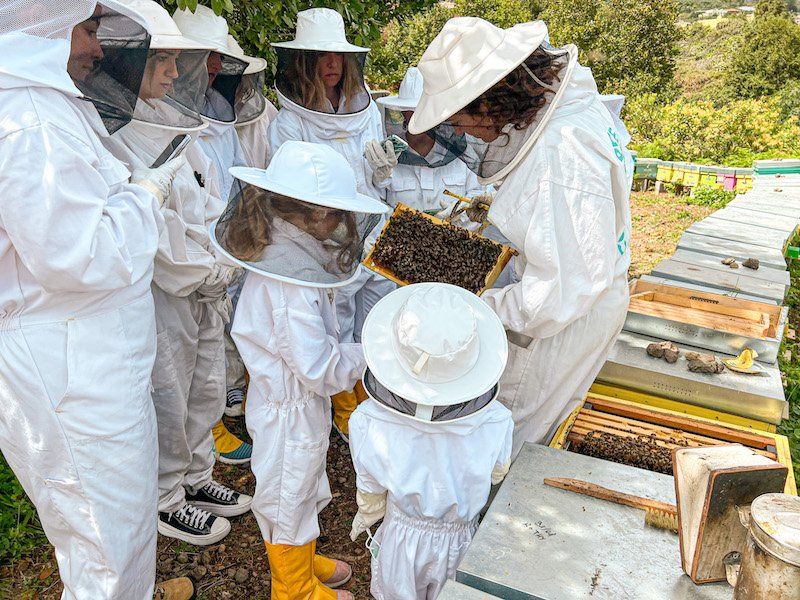
In my constant search for fun, educational things to do with my girls, I came across Ecoalpispa, an eco-farm in Tenerife where we became beekeepers for a day. Will you come along to Ecoalpispa to learn about the world of bees?
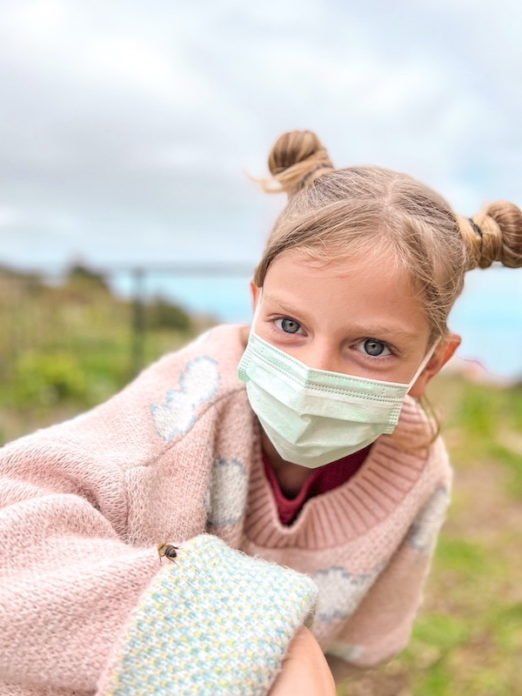
What is Ecoalpispa?
La Abejera de Ecoalpispa is an eco-agritourism farm in Icod de los Vinos, Tenerife. It was founded in 2017 by Natalia Díaz Luis, a young biologist and beekeeper whom the world of bees has turned into a real entrepreneur.
Visiting the apiary
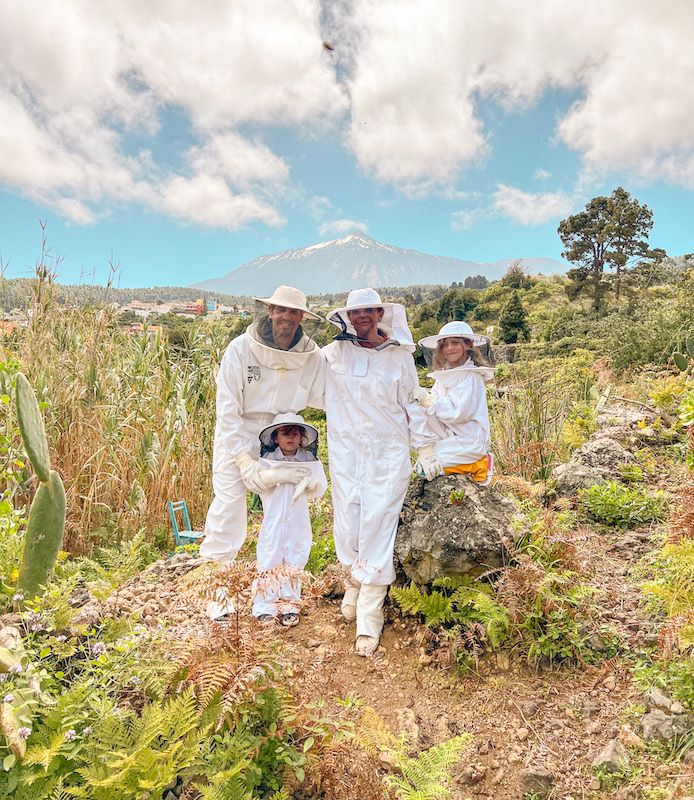
We arrived at the Ecoalpispa apiary early and eager to learn and have fun. The views from the farm are spectacular: the Teide, the sea and greenery all around. Ecoalpispa is an ideal place to switch off.
By the way, there's a small area at the entrance to the farm where you can park the car.
We began the eco-agritourism visit with a guided tour of the visitor centre, which also has a small shop with honey-based and bee-related products.
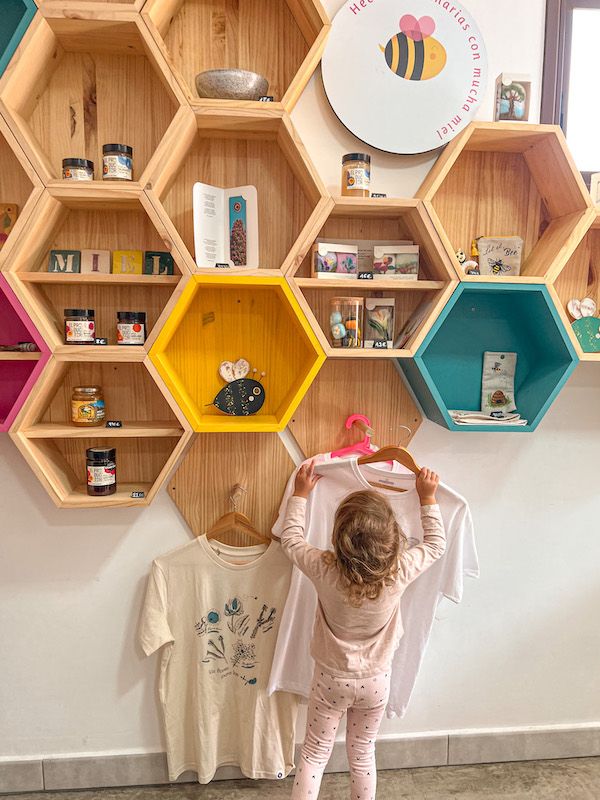
Here Natalia started telling us all sorts of things about bees. I'll admit that at first I thought my girls might get a little bored if they didn't follow what was being explained. But the truth is that, even though it isn't a tour aimed specifically at children, Natalia explained everything very clearly and simply. And they were soon happy to share their doubts and ask questions.
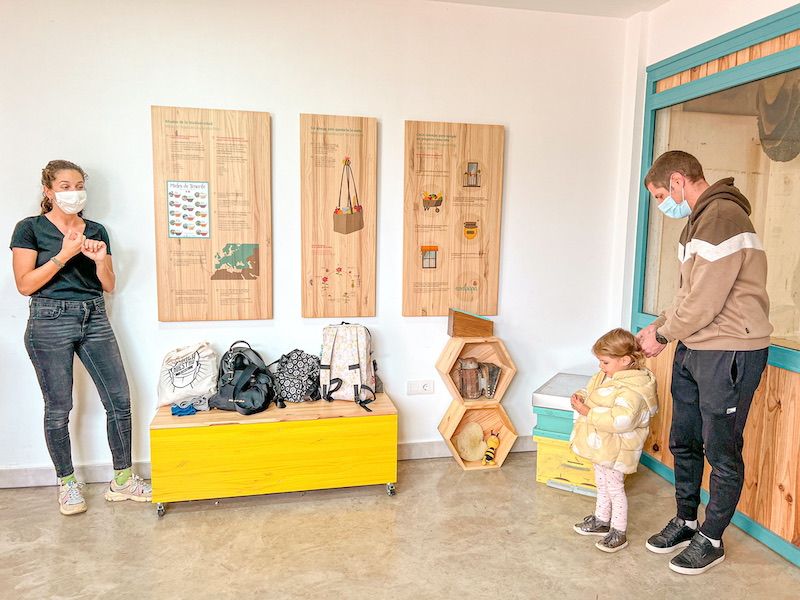
The visitor centre has several information panels and a large window through which you can watch a hive.
The girls spent a little while here, looking at the colour of the pollen each worker bee carried, or watching the undertaker bee clean the hive and remove the dead bees.
After this introduction, in which Natalia had already passed on her passion for bees, we moved to her workshop to learn in more depth about the hives and the great work the bees do.
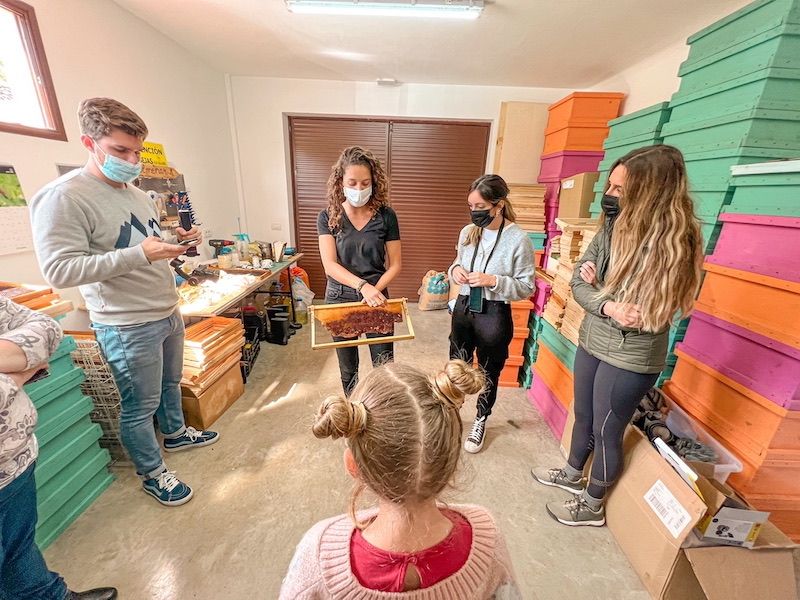
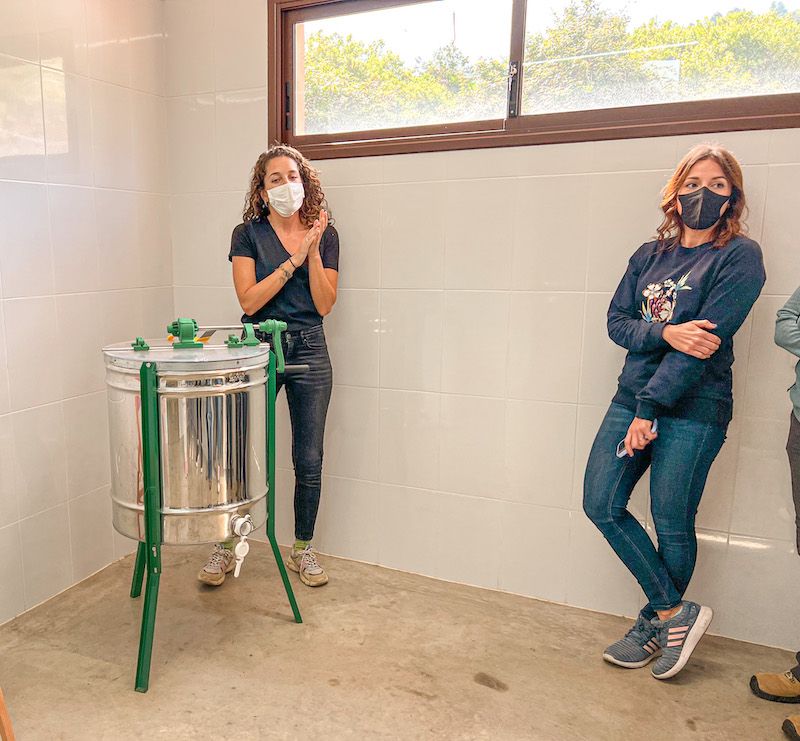
We then went into the honey extraction room, to see how this delicious treat is taken from the hives in the traditional way, and the whole process until it reaches our table.
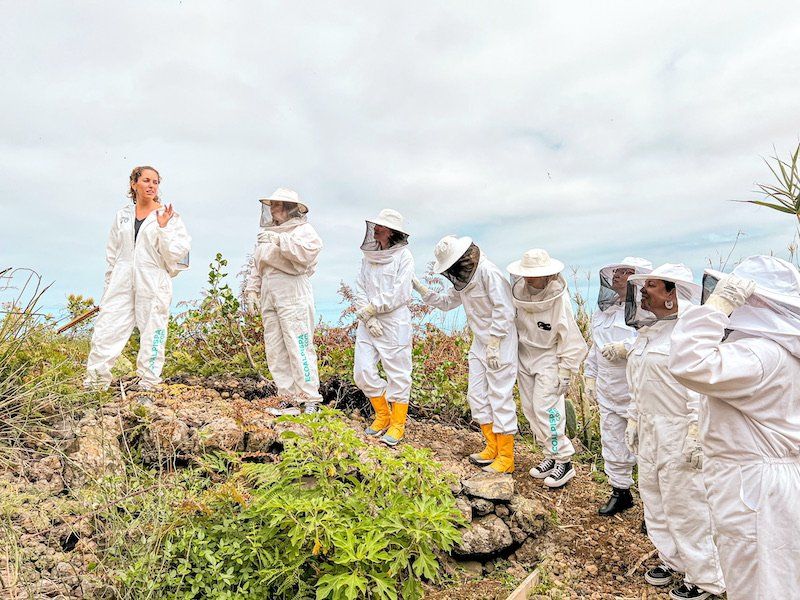
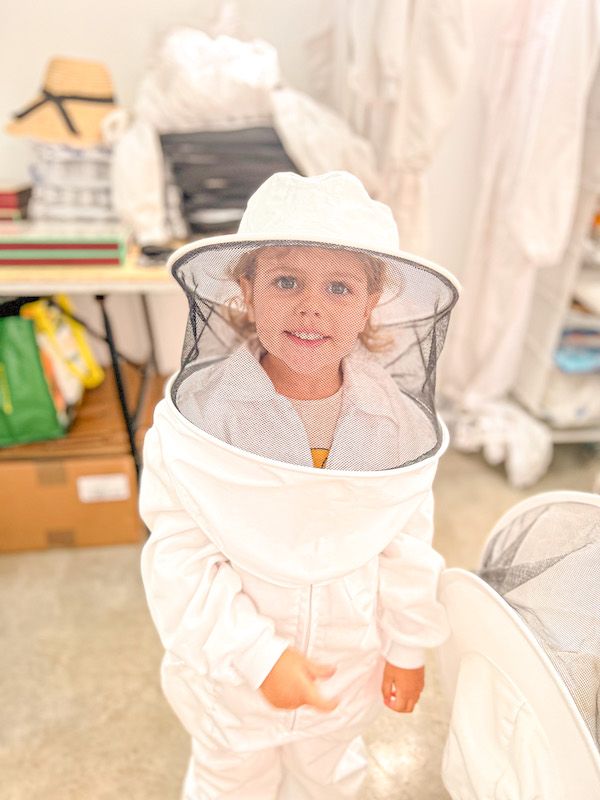
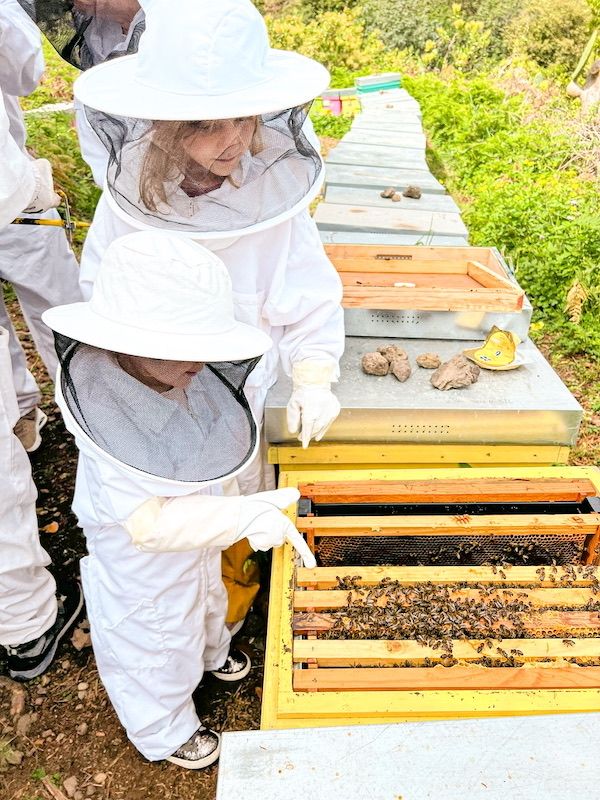
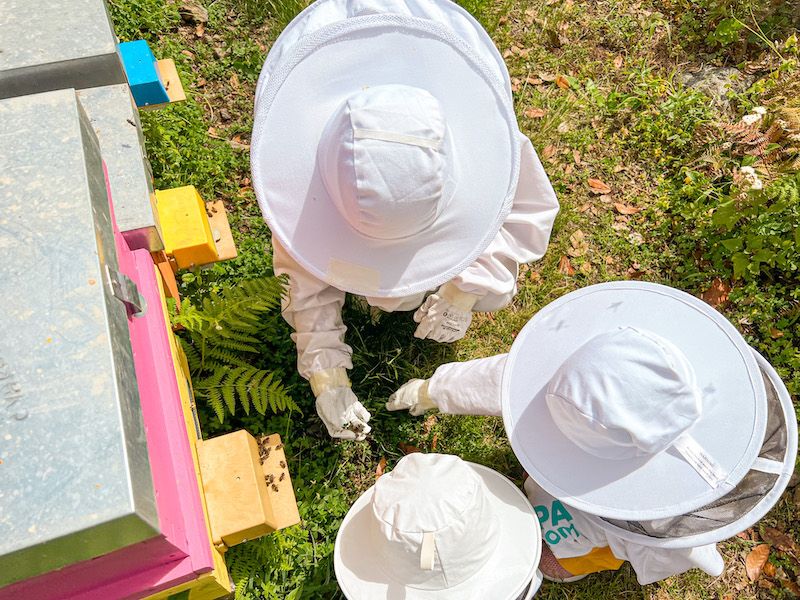
And finally came the part we were most excited about, the visit to the hives. But before that, we put on our beekeeper suits to be well protected. I think it goes without saying that this was the girls' favourite part.
We crossed the farm on foot to reach the hives, and on the way we were lucky enough to meet Natalia's father. He was feeding the animals, because as well as the hives the farm also has goats and hens. (By the way, her father makes a delicious cheese, which we were lucky enough to try.)
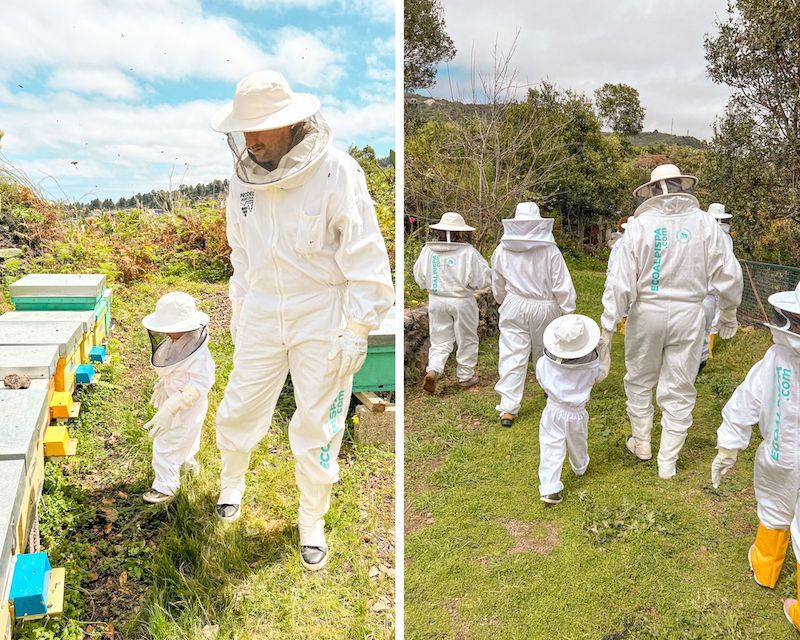
As we got closer to the hives, you could already hear the buzzing of the bees. They say some people find this sound stressful, while for others it helps them relax.
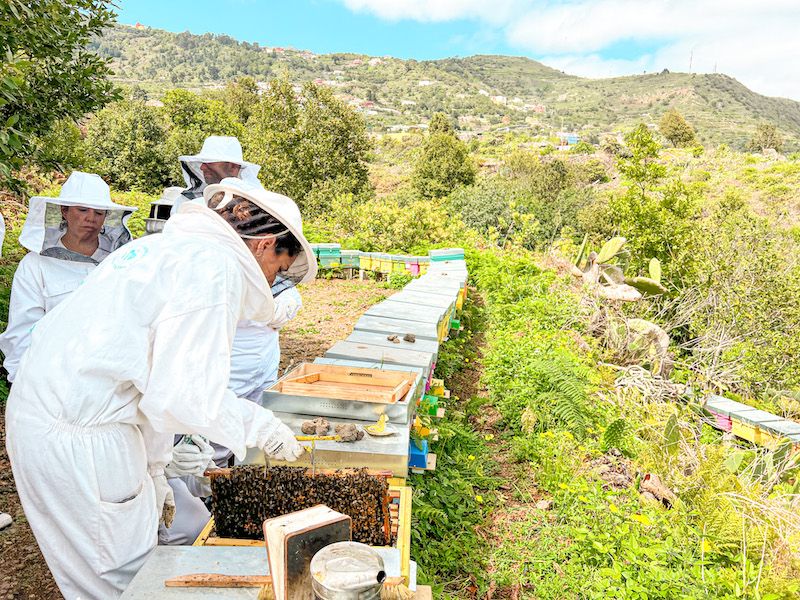
There on the spot, we could see and experience the things Natalia had told us about earlier. We could tell apart the workers, the queen and the drones.
There's no better classroom than nature, don't you think?
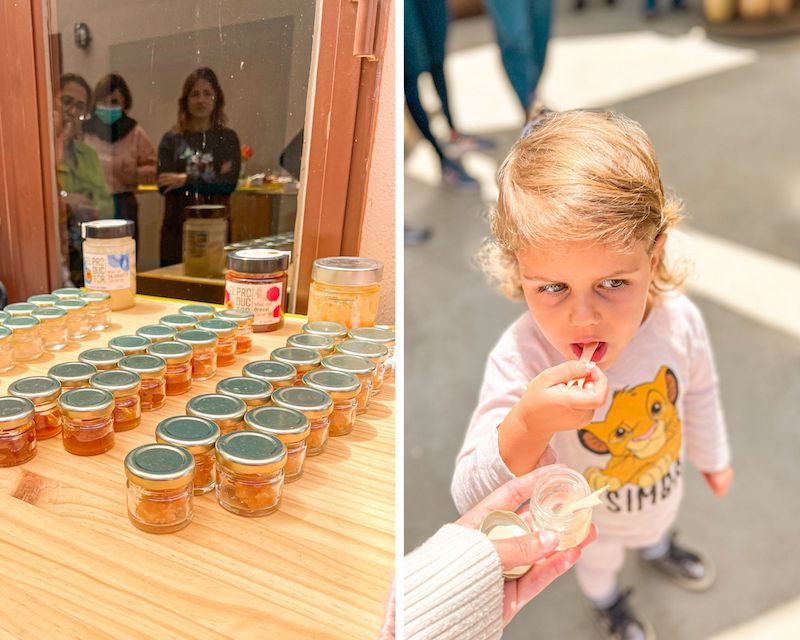
The visit ended with a lovely tasting of Tenerife honeys, where we examined the colours, flavours, aromas and textures of several honeys from the island and one from the farm. By the way, the Ecoalpispa shop sells honey and it makes a wonderful souvenir to pick up after the visit.
Sponsor a hive
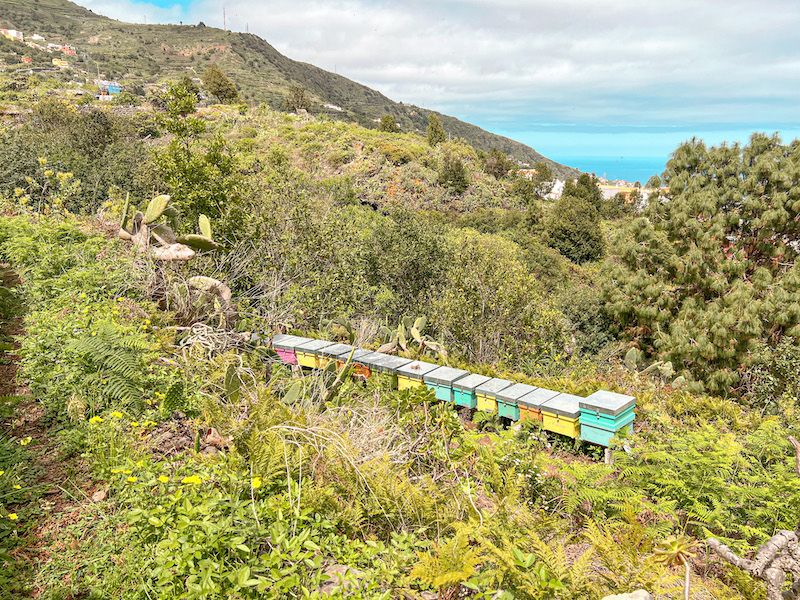
When you're in the hive area, you'll notice some have names. That's because part of the Ecoalpispa project is hive sponsorship. You can sponsor a hive annually, at a cost of €90/year.
Did you know it all started with eco-wraps?
You already know I have two great animal lovers and defenders at home. They're always worried about recycling, because they say fish and turtles die trapped in plastic. So when Natalia started talking about eco-wraps, they were fascinated.
But what are eco-wraps?
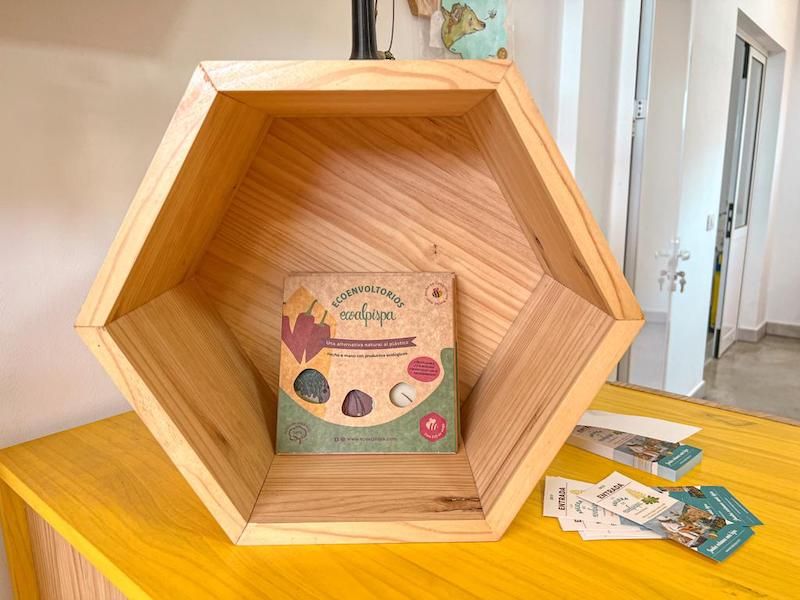
Natalia has designed a line of eco-wraps to cut down on the plastic we use every day. They're wraps made from cotton with an organic certificate, plant resins and beeswax.
To use one, you just warm the wrap with your hands so it seals, and store whatever you like inside: a sandwich, the rest of a piece of fruit, etc. When you've finished, you wash it in cold water, dry it and reuse it. It lasts about 6 months.
They come in different sizes and designs. You can buy the wraps in the shop inside Ecoalpispa or in some shops that work with the brand. Not only will you have a lovely wrap, you'll also be doing your bit for the environment.
How can I visit Ecoalpispa?
The Ecoalpispa apiary welcomes school groups, organised groups and individual visitors. The activity is called «Beekeeper for a day» and is always by advance booking. We thoroughly recommend it: getting the chance to see the bees and the hives alongside Natalia's explanations was genuinely fascinating.
Where: Camino La Patita, 20 (El Amparo neighbourhood), Icod de los Vinos · Booking: in advance (required)
Minimum age: 4 years
Includes: beekeeper suit and gloves, the visit to the apiary and a honey tasting.
If you're heading to Icod de los Vinos, don't miss more things to do with kids in Icod.
How much does it cost to visit the Ecoalpispa apiary?
| Ticket | Price |
|---|---|
| Adult | €25 |
| Child | €15 |
Price for the «Beekeeper for a day» activity, verified June 2026.
Opening times for visits to the Ecoalpispa apiary
Visits run on specific dates, usually at 11:00. As places are limited, check the calendar and book ahead.
Let's get to know bees a little better
I don't want to give too much away about the Ecoalpispa visit, but let me share a few of the things we learnt about bees:
- Bees are extremely sociable insects that live in colonies.
- They have a strict hierarchy divided into three social ranks: the queen bee, the worker bees and the drones.
- When a bee finds food, it tells its fellow workers with a kind of dance.
- Bees use the Sun as a compass to find their way back to the hive.
- The queen bee lives 5 to 6 years and lays around 1,800 eggs a day.
- A small percentage of bees become undertakers. They're in charge of cleaning the hive and removing the dead bees.
- Worker bees die when they sting. Queen bees, on the other hand, have an atrophied stinger so they don't sting, and drones have no stinger.
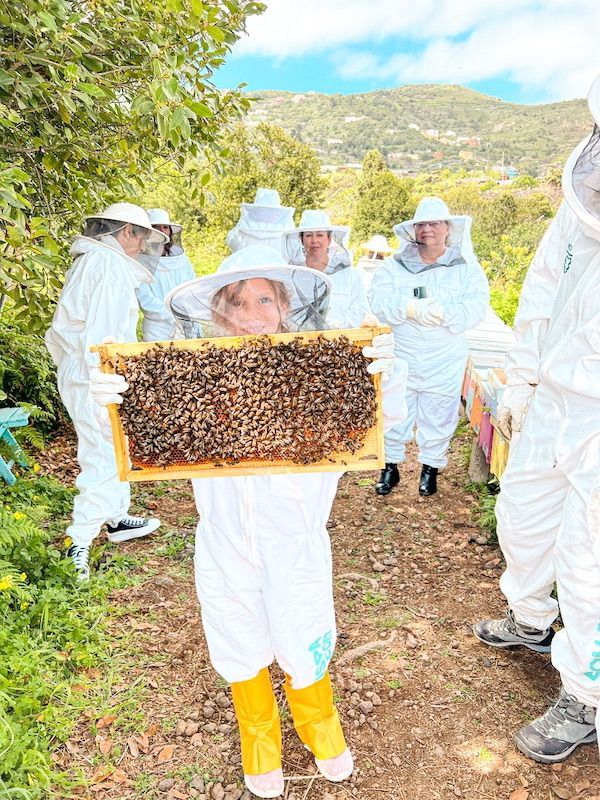
Whenever I plan an activity to take my girls to, I try to make it fun and educational at the same time. The visit to the Ecoalpispa apiary was an incredible experience that far exceeded my expectations. What we learnt went well beyond beekeeping.
Natalia herself sends a really valuable message to the new generations. A young, entrepreneurial woman developing her project in a rural setting with a clear mission: to look after our planet and raise awareness through education and knowledge.
I always say that fear comes from not knowing, and that's probably it — a lack of knowledge — the reason most of us are afraid of bees.
After our time at Ecoalpispa, we look at bees differently. Fear has given way to respect and admiration for this tiny insect.
I'd like to end this post with a quote from Maurice Maeterlinck, winner of the Nobel Prize in Literature and author of the book The Life of the Bee, who said:
“If the bee disappeared off the face of the Earth, man would have only four years left to live.”
FAQ
What is Ecoalpispa?
An eco-agritourism and beekeeping farm in Icod de los Vinos (Tenerife) where you can become a beekeeper for a day: meet the hives, put on the suit and taste local honeys.
Where is it?
On Camino La Patita, 20, in the El Amparo neighbourhood of Icod de los Vinos (north of Tenerife). There's a small parking area at the entrance to the farm.
Do you need to book?
Yes, the visit is always by advance booking. You can book on their website (ecoalpispa.es).
What does the visit include?
A guided tour of the facilities, use of the beekeeper suit and gloves, entry to the apiary and a tasting of local honeys.
Is it suitable for children?
Yes, it's a very educational family activity. The minimum age for the visit is 4.
How long is it and how much does it cost?
The «Beekeeper for a day» activity costs €25 for adults and €15 for children, and lasts about 2 hours. It runs on specific dates, so it's worth booking ahead.