10 Things You Can't Miss in Lanzarote (On Your First Visit)
What to see and do in Lanzarote on your first visit: from Timanfaya and Jameos del Agua to La Geria, the beaches of Papagayo, Teguise and La Graciosa.
 Miriam7 min readVerified · July 2026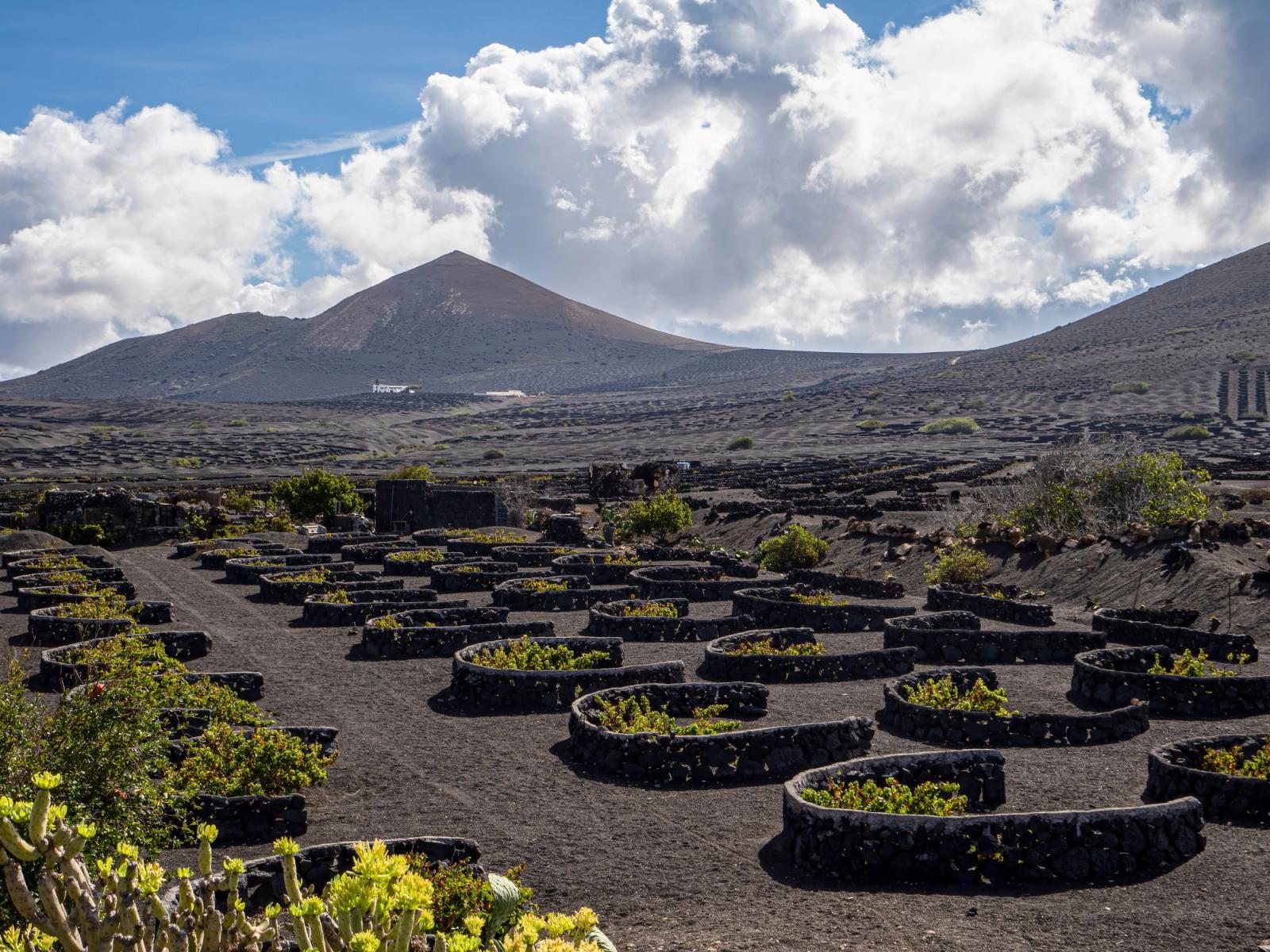
Is this your first time in Lanzarote and you're not sure what to see? Lanzarote has volcanic landscapes that look like another planet, beaches with crystal-clear water, whitewashed villages full of charm and the unmistakable legacy of César Manrique. If you're planning your trip, here are the 10 places you shouldn't miss in Lanzarote to make the most of your first visit and discover the island's most spectacular corners.
Before we start, let me give you one piece of advice: hire a car in Lanzarote. The distances are short, but several of the places on this list are poorly served by public transport, and with a car you'll get far more out of the day.
1. Step into Timanfaya National Park
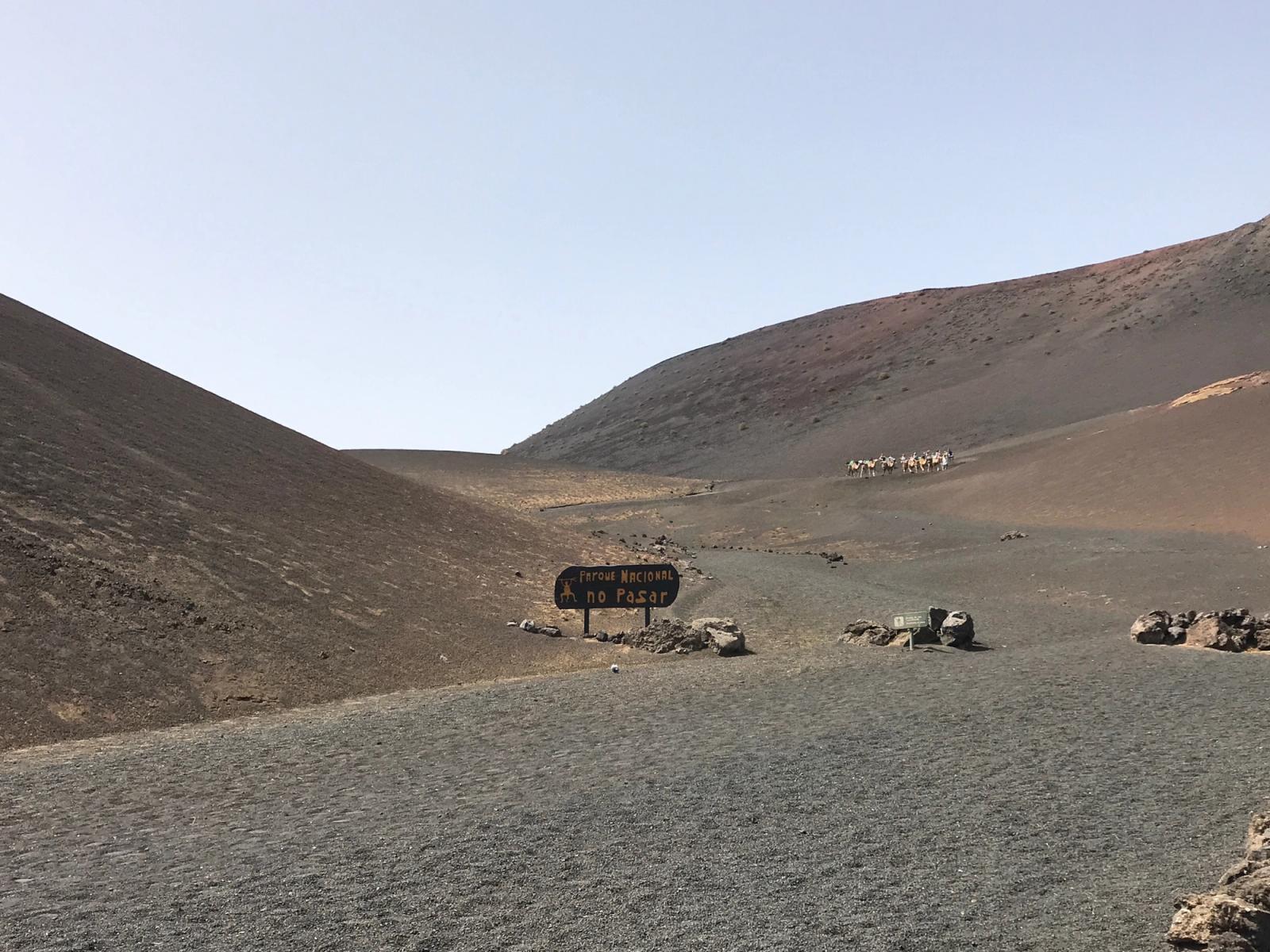
Let's start with the island's great must-see. Timanfaya National Park, also known as the Fire Mountains, is one of the most impressive places you'll find in Lanzarote. Its volcanoes, lava flows and landscapes shaped by the eruptions of the 18th century create a setting that looks like another planet.
The best way to experience Timanfaya is by taking the Ruta de los Volcanes, a coach trip (a guagua, as we call buses in the Canaries) which is included in the entrance ticket that crosses the heart of the park. You'll also see the geothermal demonstrations at the Islote de Hilario, where the heat still trapped underground is so intense it's genuinely startling to watch.
2. Discover Jameos del Agua
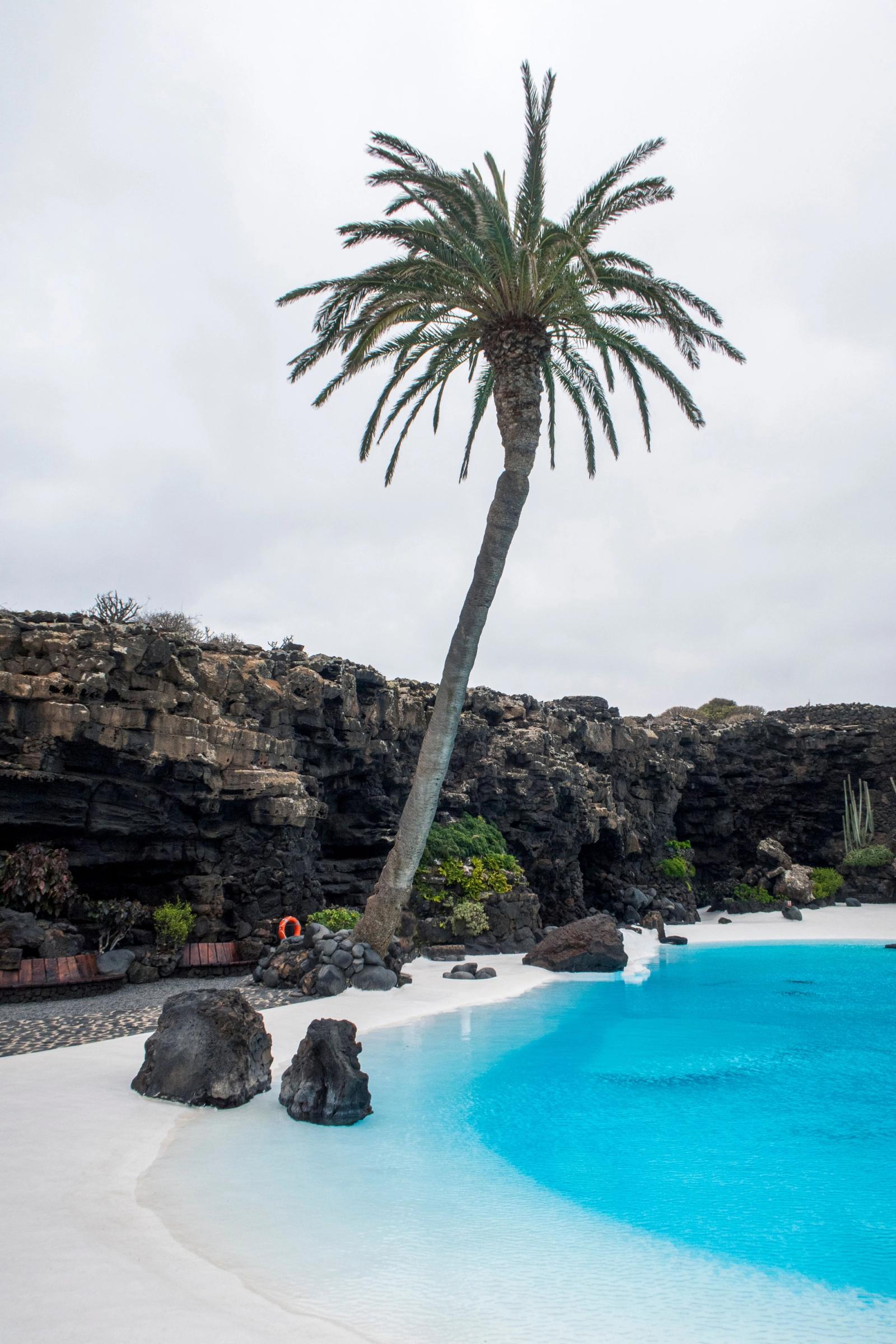
Of all César Manrique's works, Jameos del Agua is probably one of the most special. This stretch of volcanic tube, created by the eruptions of the La Corona volcano, was transformed by the artist into a unique space where nature and art blend perfectly.
Inside you'll find gardens, an underground lagoon of crystal-clear water, an auditorium with remarkable natural acoustics and even a restaurant within the cave itself.
One fascinating detail: tiny blind albino crabs live in the lake, an endemic species found nowhere else in the world.
3. Explore the Cueva de los Verdes
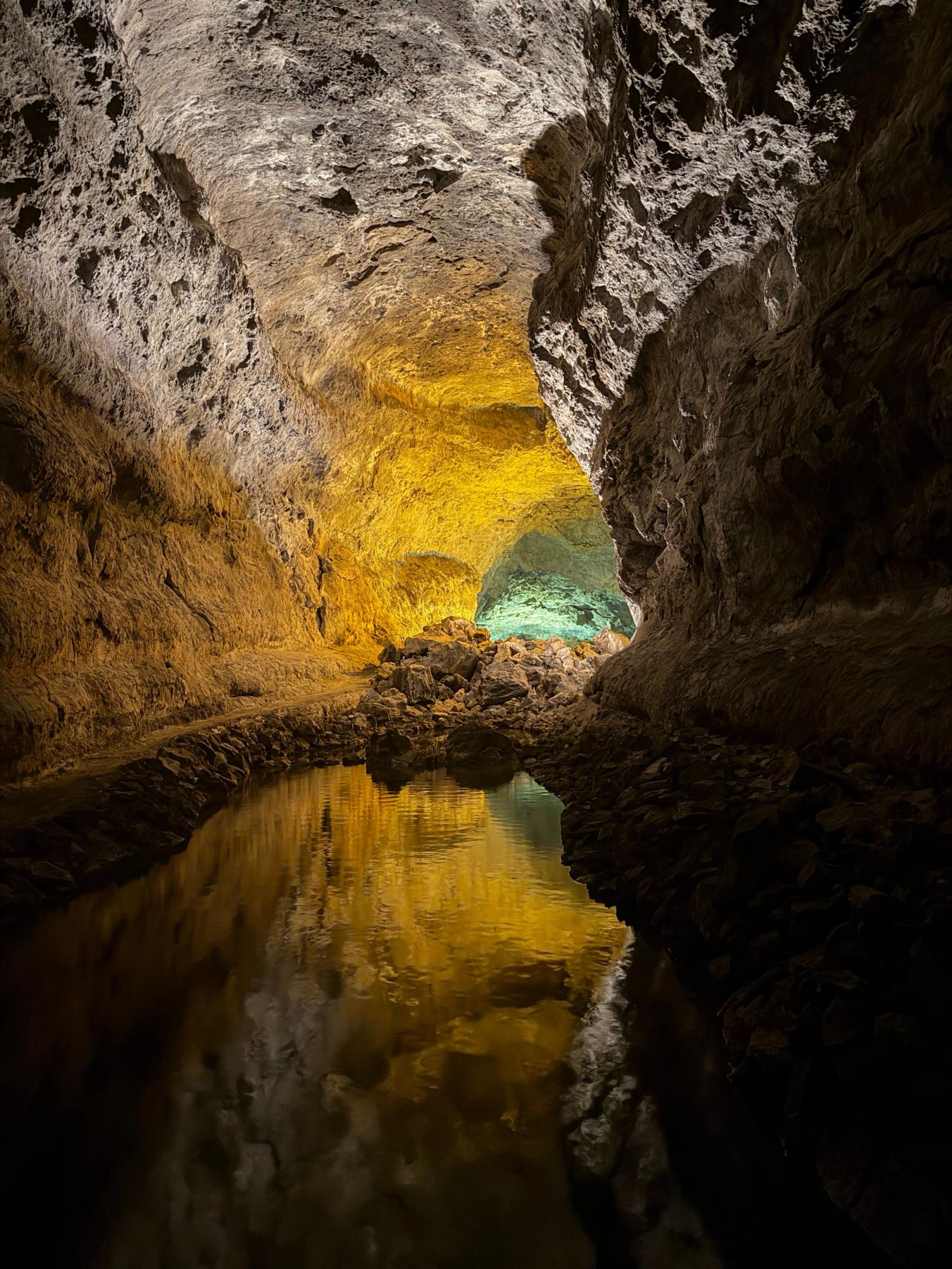
Very close to the Jameos is the Cueva de los Verdes, another stretch of the same lava tunnel, one of the longest in the world. For centuries it sheltered islanders from pirate raids, and today you can explore it on a guided tour among volcanic formations, with plays of light and a surprise at the end that I won't give away.
4. Look out from the Mirador del Río
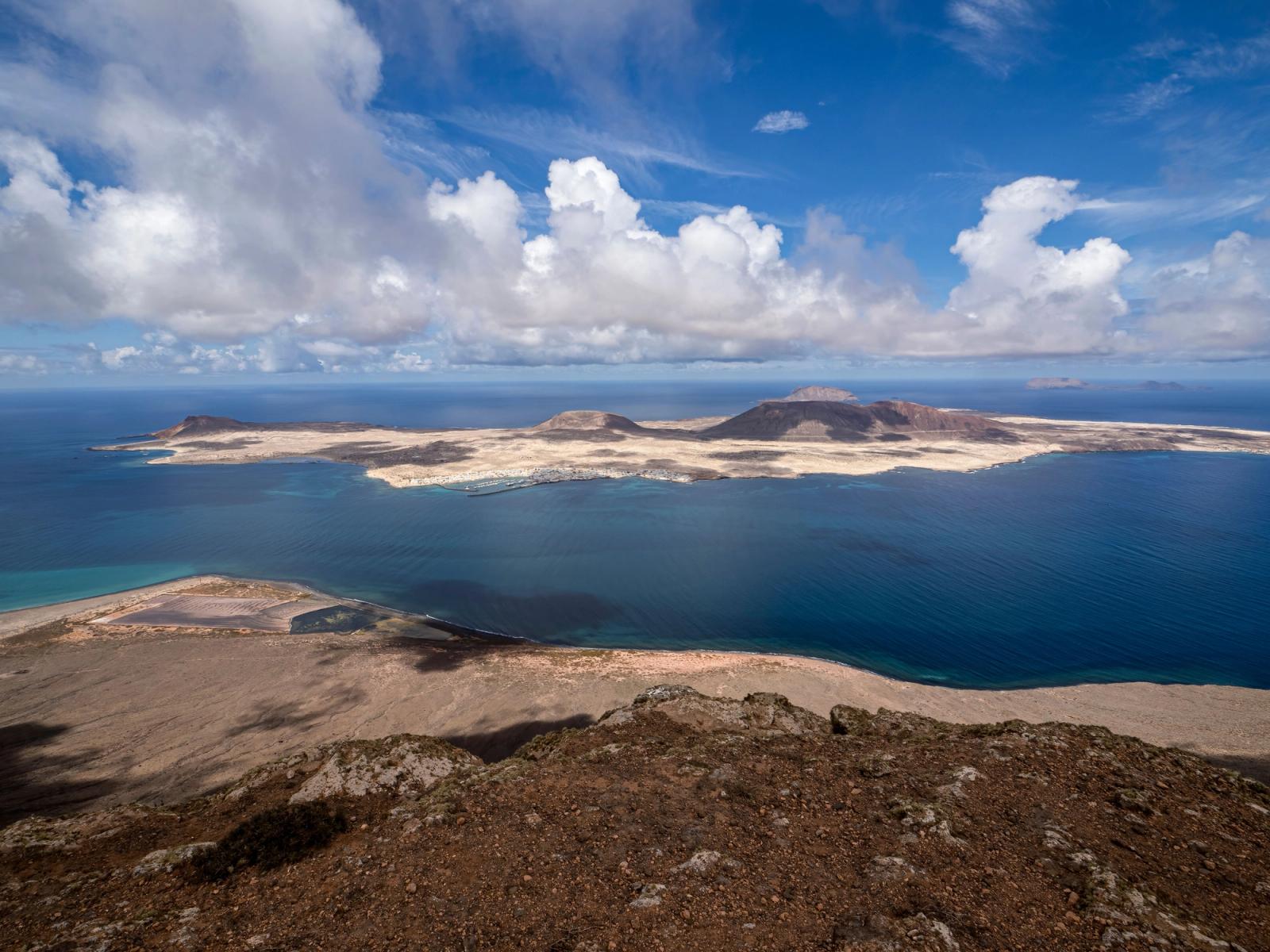
Another of César Manrique's great works is the Mirador del Río. Set high on a cliff in the north of Lanzarote, it's one of those places where architecture blends seamlessly with the landscape.
From here you'll take in one of the most breathtaking views in the Canaries, with La Graciosa in front of you, as though it were floating on the Atlantic. The most surprising part is that the building is so well set into the rock that from outside it almost looks like part of the landscape.
5. Wander through the Jardín de Cactus
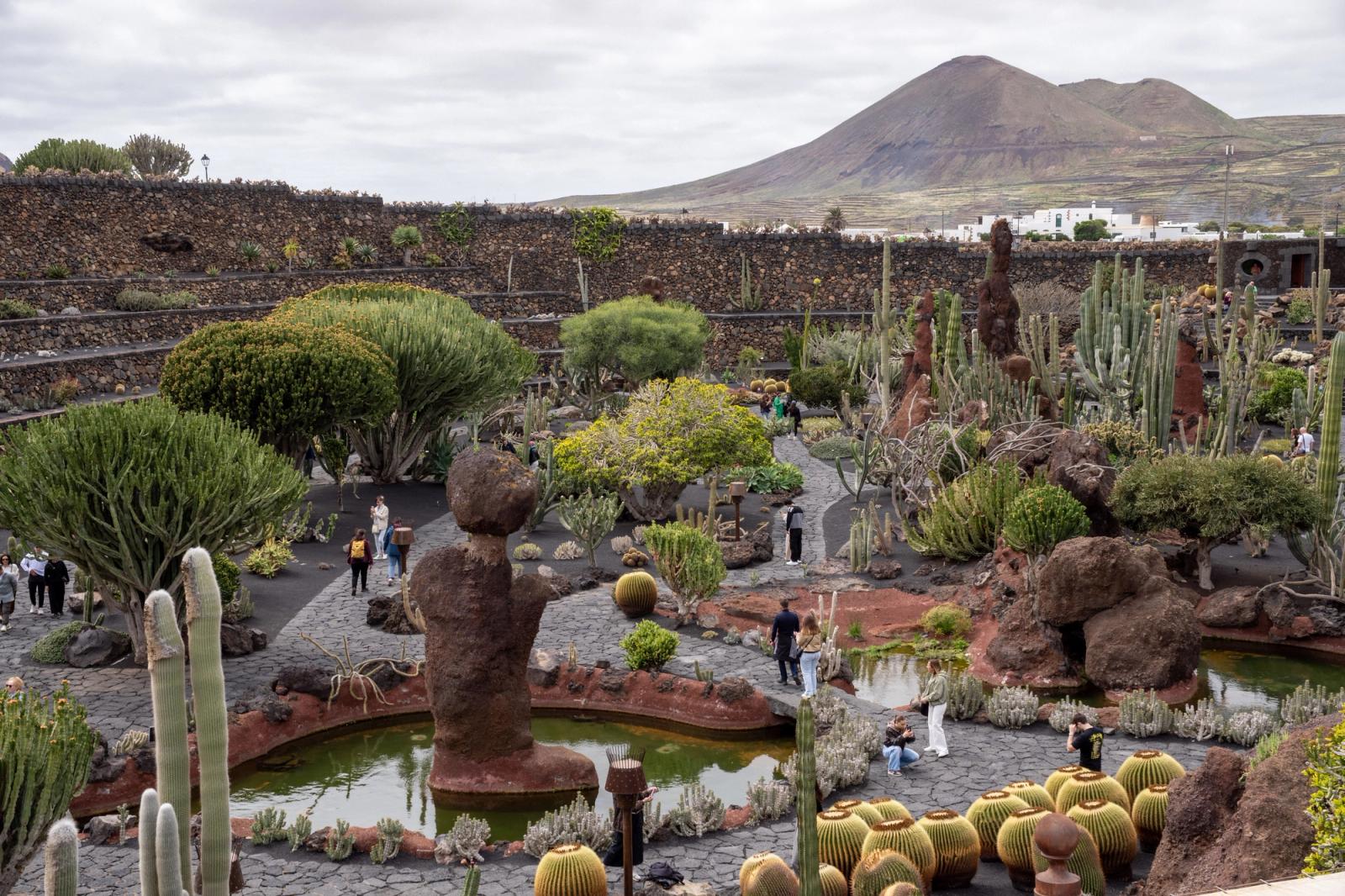
Before becoming one of Lanzarote's most beautiful attractions, this site was an old rofero, a quarry where volcanic ash was extracted. César Manrique transformed it into a stunning botanical garden, designed like a natural amphitheatre and home to more than 4,000 cacti and succulent plants from every continent.
If you enjoy photography, you'll love this place. Every corner is incredibly photogenic, from the towering cacti to the restored windmill overlooking the garden. You can easily visit it in under an hour, making it a great stop on any Lanzarote itinerary, especially if you're travelling with children.
6. Taste the wine of La Geria
If one landscape sums up Lanzarote, it's La Geria. Here the vines grow in small hollows dug into the volcanic ash, each one sheltered from the wind by a semicircular stone wall. It can look strange the first time you see it, but this ingenious way of farming is unique in the world and produces one of the island's great treasures: its wonderful malvasía wine.
My advice is to stop at one of the bodegas in La Geria for a tasting and to enjoy the setting. And if you like wine, take a bottle home with you — it's easily one of the best souvenirs you can bring back from Lanzarote.
7. Enjoy the beaches of Papagayo
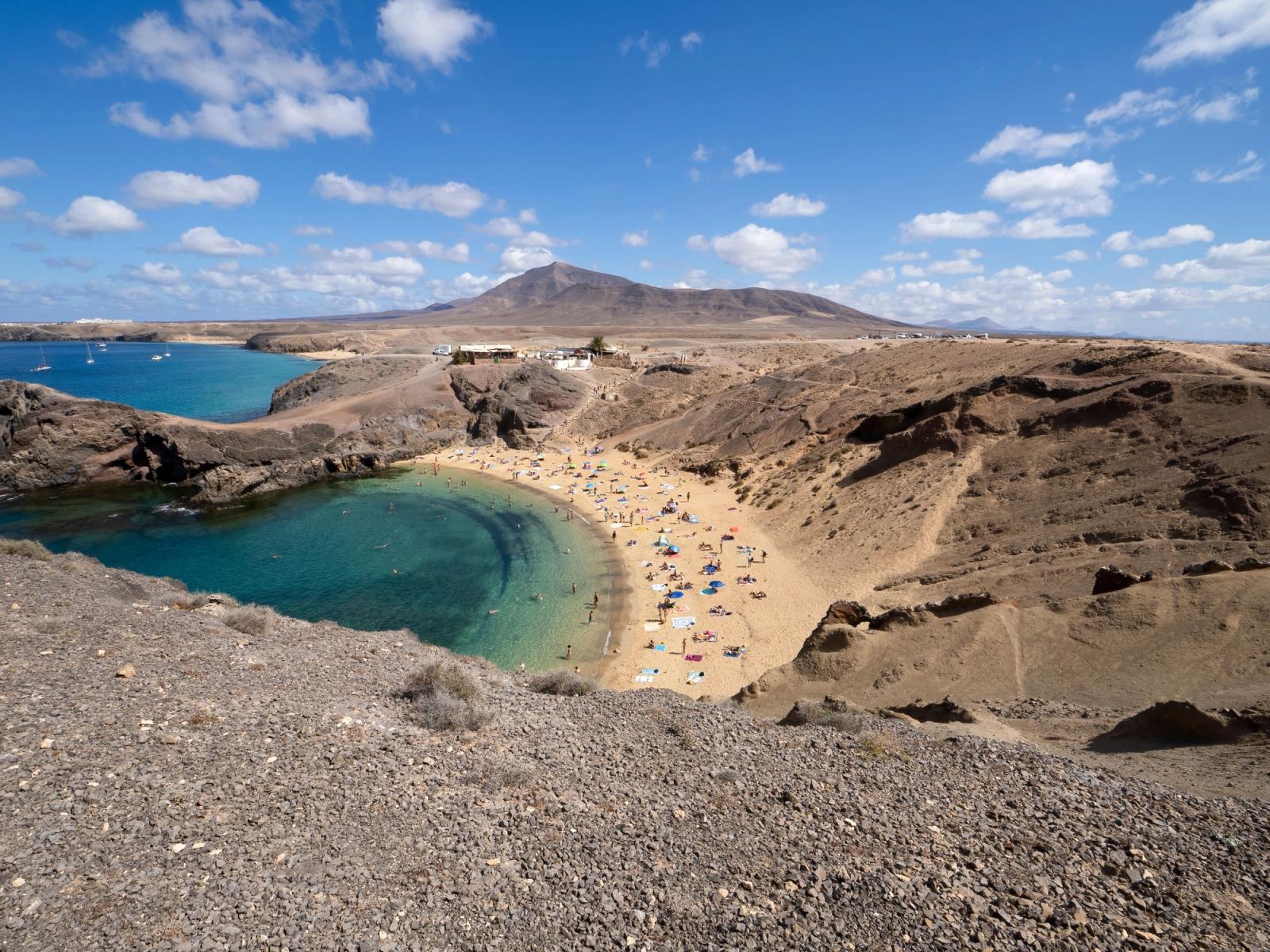
If you're after a postcard beach, the Papagayo beaches can't be missing from your route around Lanzarote. Set within the Los Ajaches Natural Monument, in the south of the island, they're a cluster of coves with golden sand and calm, crystal-clear turquoise water, sheltered by a spectacular volcanic setting.
To get there you'll have to drive along a dirt track and pay a small fee if you arrive by car. There are barely any facilities, so my advice is to bring water, some food, sun cream and a parasol to make a day of it. Thanks to the calm water, Papagayo is one of the best beaches in Lanzarote for going with children.
8. Explore Teguise, the old capital of Lanzarote
Teguise was the first capital of Lanzarote and, for me, it's one of those villages with real charm that's well worth a visit. Wander its cobbled streets, take in the whitewashed houses, pop into one of its little shops and sit out on a terrace with a glass of wine.
If you can, try to visit Teguise on a Sunday, which is market day.
And while you're in the area, don't miss the César Manrique Foundation. Walking through what was once his home is the best way to understand how he helped Lanzarote grow without losing its essence, and why his legacy is still so present across the whole island.
9. Watch the sunset at El Golfo and Los Hervideros
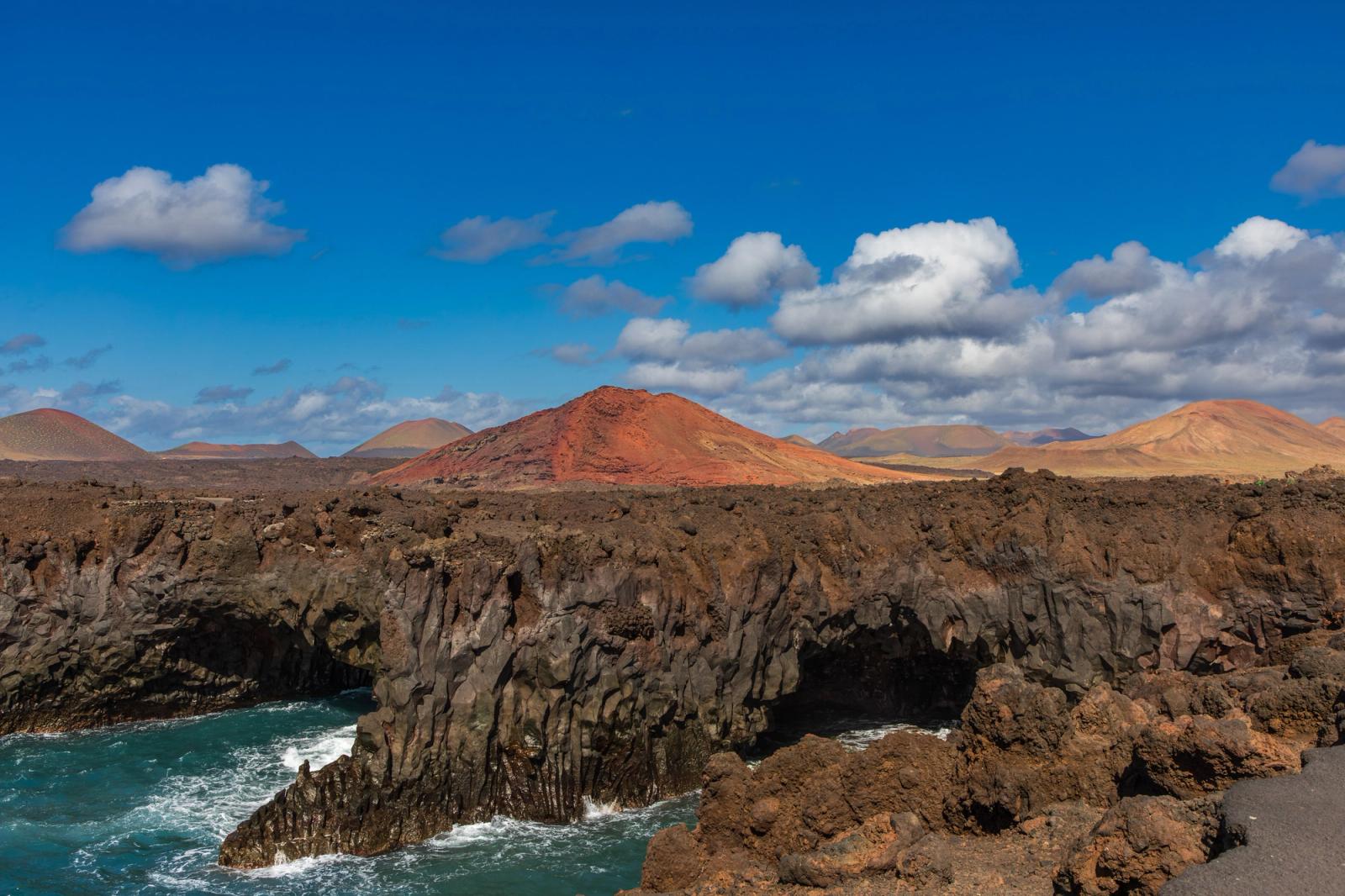
There are plenty of beautiful places in Lanzarote, but El Golfo and Los Hervideros are the kind of spots that make you stop and think what wonders nature comes up with. Here the force of the volcano meets the ocean. At El Golfo you'll find the famous Charco de los Clicos, with its curious green colour, and a few minutes away, Los Hervideros, where the waves crash through lava tunnels and caves to spectacular effect.
It's one of my favourite corners of the island, especially at sunset, when the light completely transforms this volcanic landscape.
10. Escape to La Graciosa
And while you're in Lanzarote, do take the ferry from Órzola and slip across to La Graciosa, the eighth Canary Island. Everything changes pace here: sandy streets, hardly any cars, quiet beaches with crystal-clear water and that feeling of having arrived somewhere the rush simply doesn't exist.
La Graciosa invites you to slow down, switch off and simply enjoy being there.
It's one of the best day trips you can make from Lanzarote, and an ideal plan if you're travelling with children.
Extra: Arrecife, the capital of Lanzarote
If you fancy discovering Arrecife, my recommendation is to do it on a free walking tour. It's a really enjoyable way to get to know the history of Lanzarote's capital while you stroll around places like the Charco de San Ginés and find corners you might otherwise walk straight past.
Planning your first visit to Lanzarote
Lanzarote is a fairly easy island to get around, but my advice is to hire a car and think carefully about where you want to stay. One area isn't the same as another, especially if you're travelling with children and want to make the most of your days. If you'd rather hire from local island companies, another option is Localrent.
I'll leave you my guide on where to stay in Lanzarote with kids to help you choose the best accommodation on the island.

Do you already know Lanzarote? I'll warn you: it's one of those islands you visit once and will always want to come back to.
FAQ
What are the most important things to see in Lanzarote on a first visit?
On a first visit you can't miss Timanfaya National Park, Jameos del Agua and Cueva de los Verdes, Mirador del Río, the wine of La Geria and the beaches of Papagayo. Almost everything bears the mark of César Manrique.
How many days do you need to see Lanzarote?
With 5 or 6 days you can see the island at a relaxed pace. With 3 you can cover the main highlights by organising yourself by zone (north, south and centre), and with 2 you'd do an express but intense version.
When is the best time to visit Lanzarote?
It can be visited all year round thanks to its mild climate, but spring and autumn are ideal: good temperatures, warm sea and fewer people than in summer.
Do you need a car to get around Lanzarote?
Highly recommended. The island is small and easy to explore by car, and many of its must-sees (Timanfaya, La Geria, Papagayo) are poorly connected by public transport.