10 interesting facts you didn't know about Budapest
10 surprising facts about Budapest: from Europe's oldest metro to the Rubik's Cube, the Parliament's 365 turrets and why they don't clink beer.
 Miriam5 min readVerified · June 2026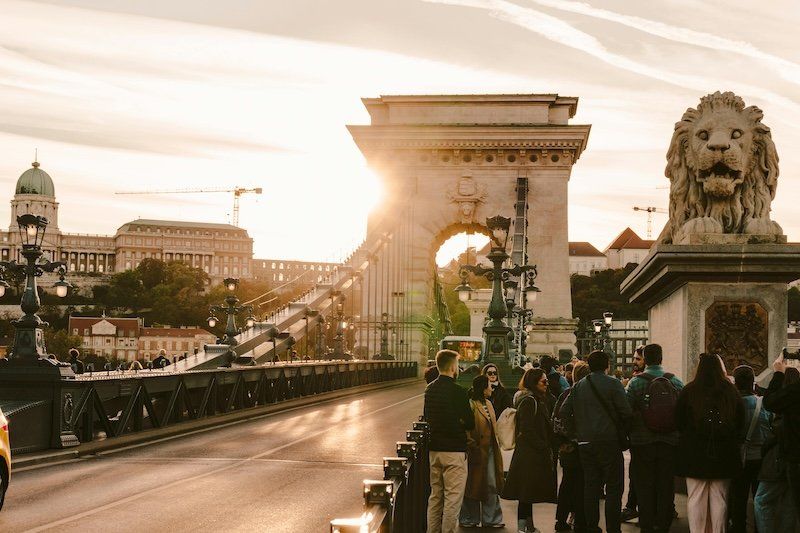
Budapest is a city full of history, surprising corners and details that go unnoticed at first glance. Beyond its thermal baths, its stunning architecture and its iconic bridges, there are plenty of curious facts that make the Hungarian capital even more interesting. Here I share 10 things you probably didn't know about Budapest that will make you see the city in a new light when you visit.
The 10 facts, at a glance
- Budapest was formed from the union of Buda, Óbuda and Pest (1873).
- Its metro (M1) is the second oldest in the world.
- The Parliament has 365 turrets and is 96 m tall (after the year 896).
- The Rubik's Cube was invented here.
- Beneath Buda Castle there's an underground labyrinth.
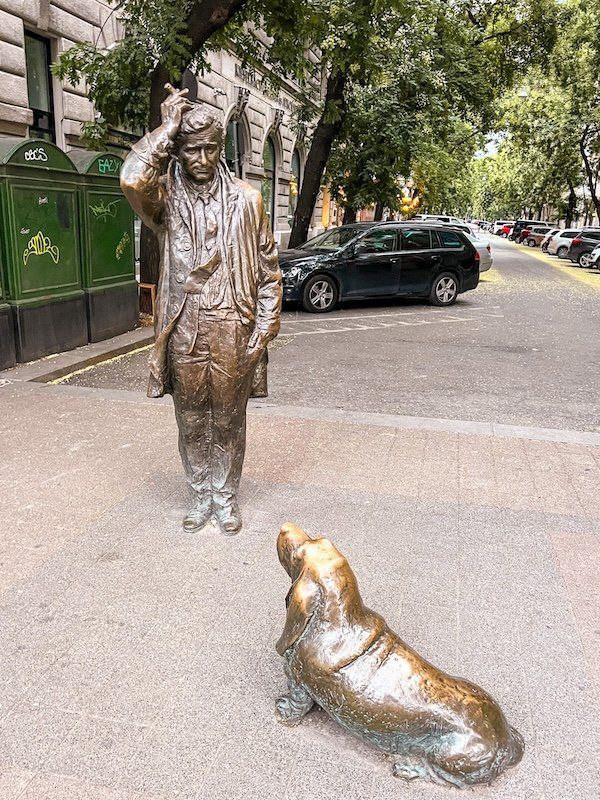
- It has a statue of Columbo and his dog.
- It's the city of thermal baths (over 100 springs).
- The Chain Bridge lions have their own legend.
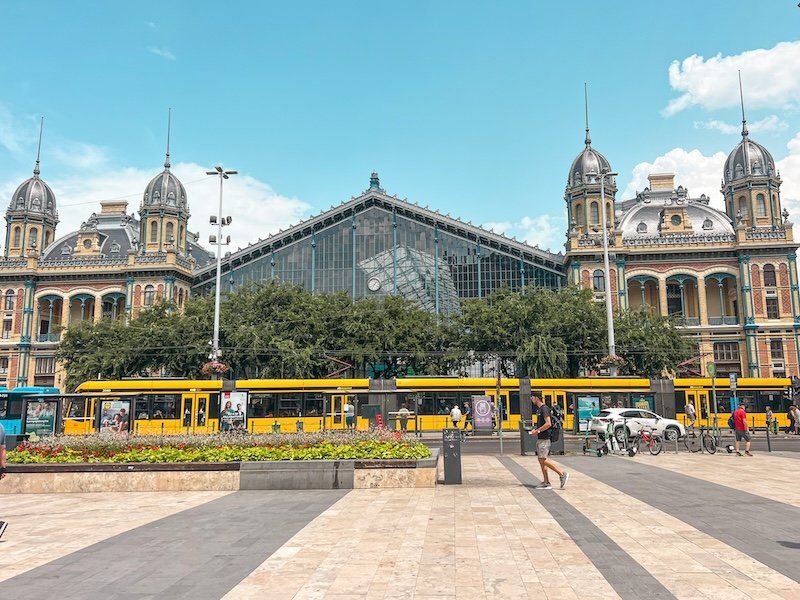
- Nyugati Station was designed by Gustave Eiffel's company.
- Hungarians don't clink beer glasses (since 1849).
1. Budapest wasn't always Budapest
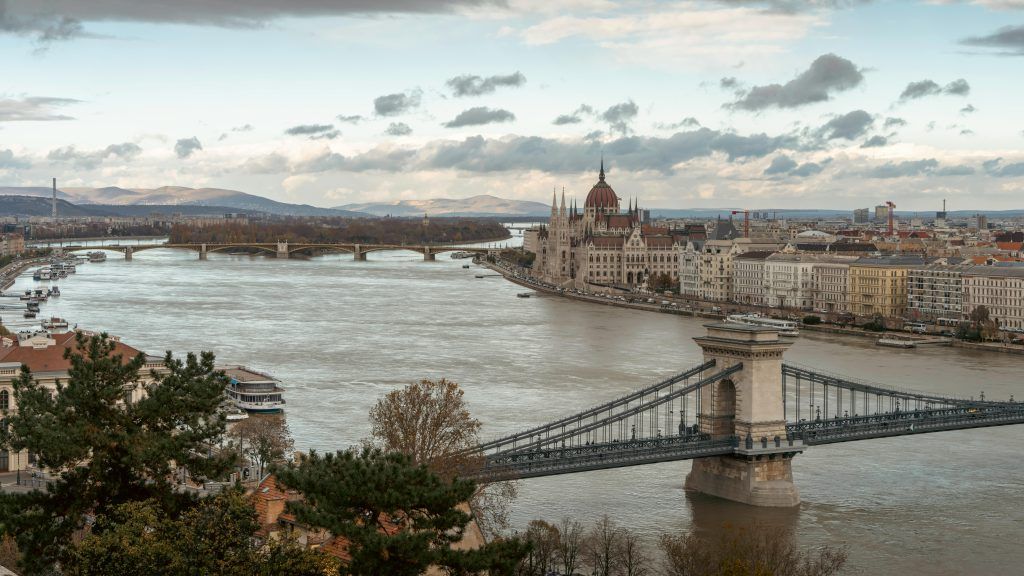
In fact, the city as we know it today is the result of merging three separate towns: Buda, Óbuda and Pest. In 1873 they merged into a single capital, but you can still notice the difference between the two banks of the Danube: Buda is hillier, with a medieval air, while Pest is flat and livelier.
2. Budapest's metro is the second oldest in the world
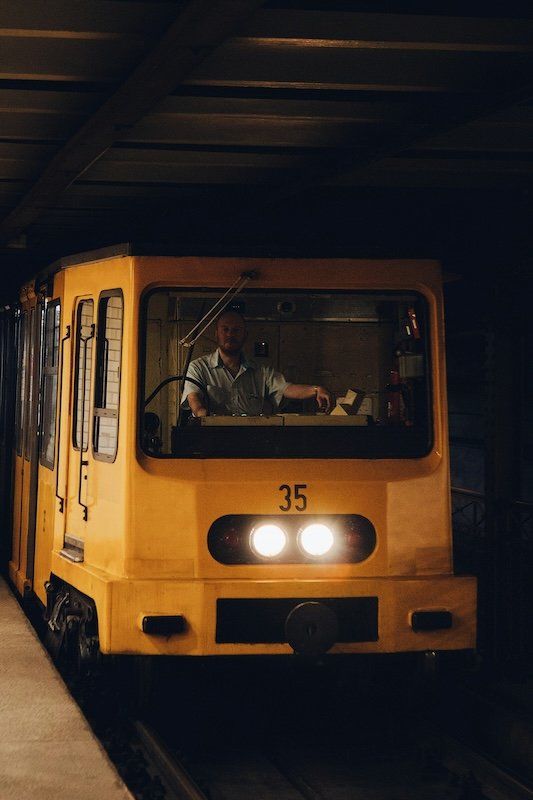
After the London Underground, Budapest's is the oldest in Europe and the second in the world. The M1 line (called «Földalatti») opened in 1896 and still keeps its original look, with retro-style carriages and stations with ceramic tiles. It's also a UNESCO World Heritage Site.
3. The Budapest Parliament has 365 turrets, one for each day of the year
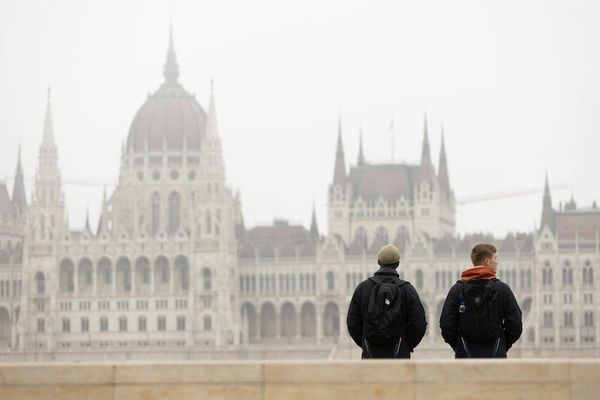
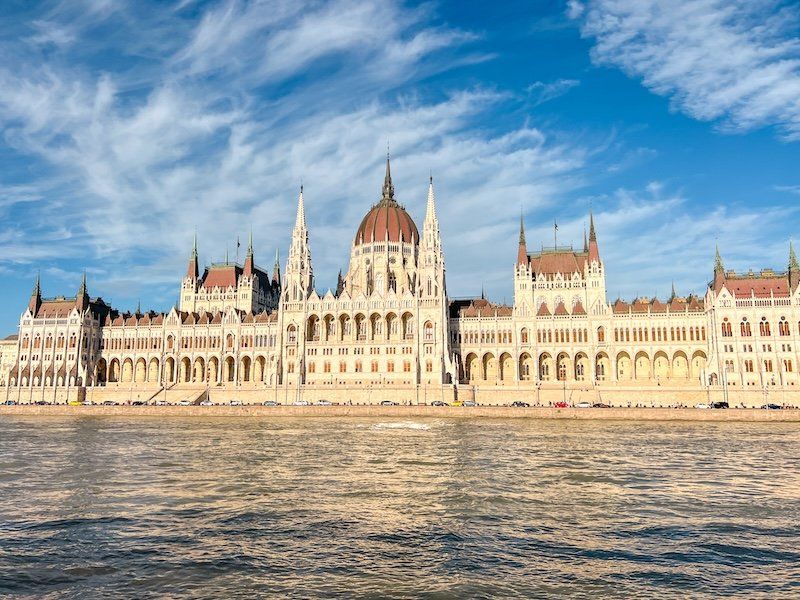
The impressive Budapest Parliament is one of the largest buildings in Hungary and has 365 turrets, symbolising the days of the year. What's more, its height of 96 metres is no coincidence: it represents the year 896, when the Hungarians arrived in the Carpathian Basin.
4. Hungarians invented the Rubik's Cube
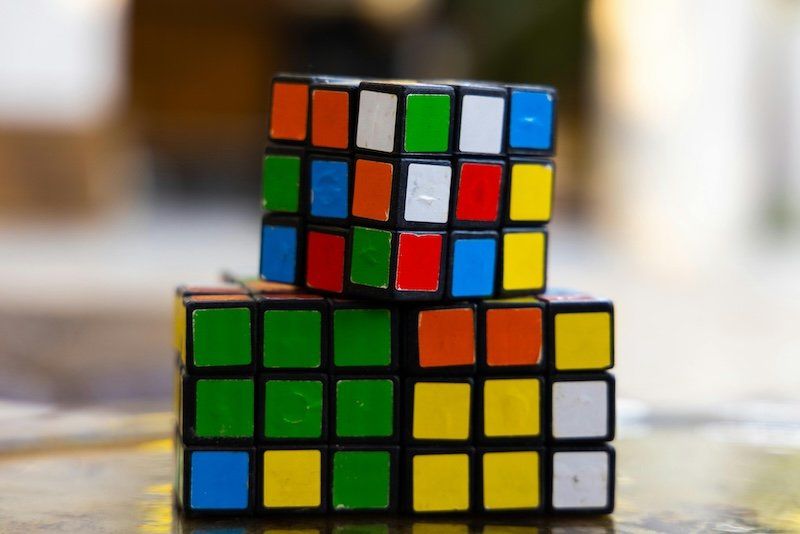
One of the most famous puzzles in the world was born in Budapest. It was invented in 1974 by Ernő Rubik, a Hungarian architect and professor. His initial intention wasn't to create a toy, but a three-dimensional model to help his students understand spatial structures.
By the way, did you know there's an interactive retro museum in Budapest?
5. Buda Castle has an underground labyrinth
Beneath Buda Castle there's a system of tunnels and caves that have served many purposes throughout history, from medieval shelters to bunkers in the Second World War. It's even said that Vlad the Impaler (Dracula) was held prisoner in these dungeons.
Book this tour to visit the Buda Castle Caves
By the way, there's also a free walking tour of Buda Castle
6. Budapest has a secret statue of Columbo and his dog
Yes, the famous TV detective has his own statue in Budapest. It's on Falk Miksa Street and depicts the character played by Peter Falk alongside his dog. There are theories that the actor might have Hungarian roots, though it's not fully confirmed.
7. It's the city of thermal baths
Budapest is the only capital in the world with so many natural thermal waters. There are more than 100 underground springs that feed its famous baths, like the Széchenyi and Gellért Baths. In fact, the Romans were already enjoying these waters more than 2,000 years ago.
Budapest's most famous thermal baths are the Széchenyi Baths and you can book your ticket here.

8. The Chain Bridge has a legend about its lions
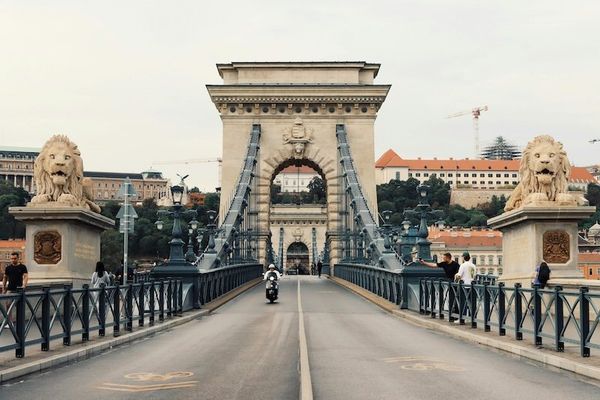
One of Budapest's most iconic bridges is the Chain Bridge, guarded by four majestic stone lions. Legend has it the sculptor forgot to carve their tongues and, when criticised for the mistake, he felt so ashamed that he threw himself into the Danube. In reality, the lions do have tongues, but you can't see them from the ground.
9. Budapest has a train station designed by Gustave Eiffel
The Eiffel Tower may be his most famous work, but Gustave Eiffel also left his mark on Budapest. The metal structure of Nyugati Station was designed by his company and it remains one of the city's most important stations.
10. Hungarians have their own toast and don't clink beer glasses
In Hungary, it's rare to see anyone clink beer glasses. This is down to an old tradition dating from 1849, when the Austrians celebrated the execution of 13 Hungarian generals by toasting with beer. Since then, many Hungarians avoid clinking their beer glasses, though they do clink with other drinks.

As you can see, Budapest is a city with many stories and details, so when you wander its streets, look closely, because you're bound to discover another of the curious facts the city hides.
I'd recommend reading: 10 things you can't miss in Budapest
FAQ
Why is Budapest called that?
Because the city was formed in 1873 from the union of three towns: Buda, Óbuda and Pest, on both banks of the Danube.
What is the oldest metro in Europe?
Budapest's M1 line, opened in 1896: it's the oldest in continental Europe and the second in the world after London's. It's also a World Heritage Site.
Who invented the Rubik's Cube?
The Hungarian Ernő Rubik, an architect and professor, who created it in Budapest in 1974.
Why don't Hungarians clink beer glasses?
Because of a tradition dating from 1849, when the Austrians toasted with beer after executing 13 Hungarian generals. Since then, many avoid toasting with beer.
What's special about the Budapest Parliament?
It has 365 small turrets (one for each day of the year) and is 96 metres tall, a nod to the year 896, when the Hungarians arrived in the Carpathian Basin.
Why is Budapest famous for its thermal baths?
Because it sits on more than 100 underground thermal springs; the Romans were already enjoying these waters 2,000 years ago.