The best eSIM for Morocco: our experience
Which eSIM to choose in Morocco: we paid €17.15 for unlimited data for one week.
 Miriam6 min readVerified · August 2026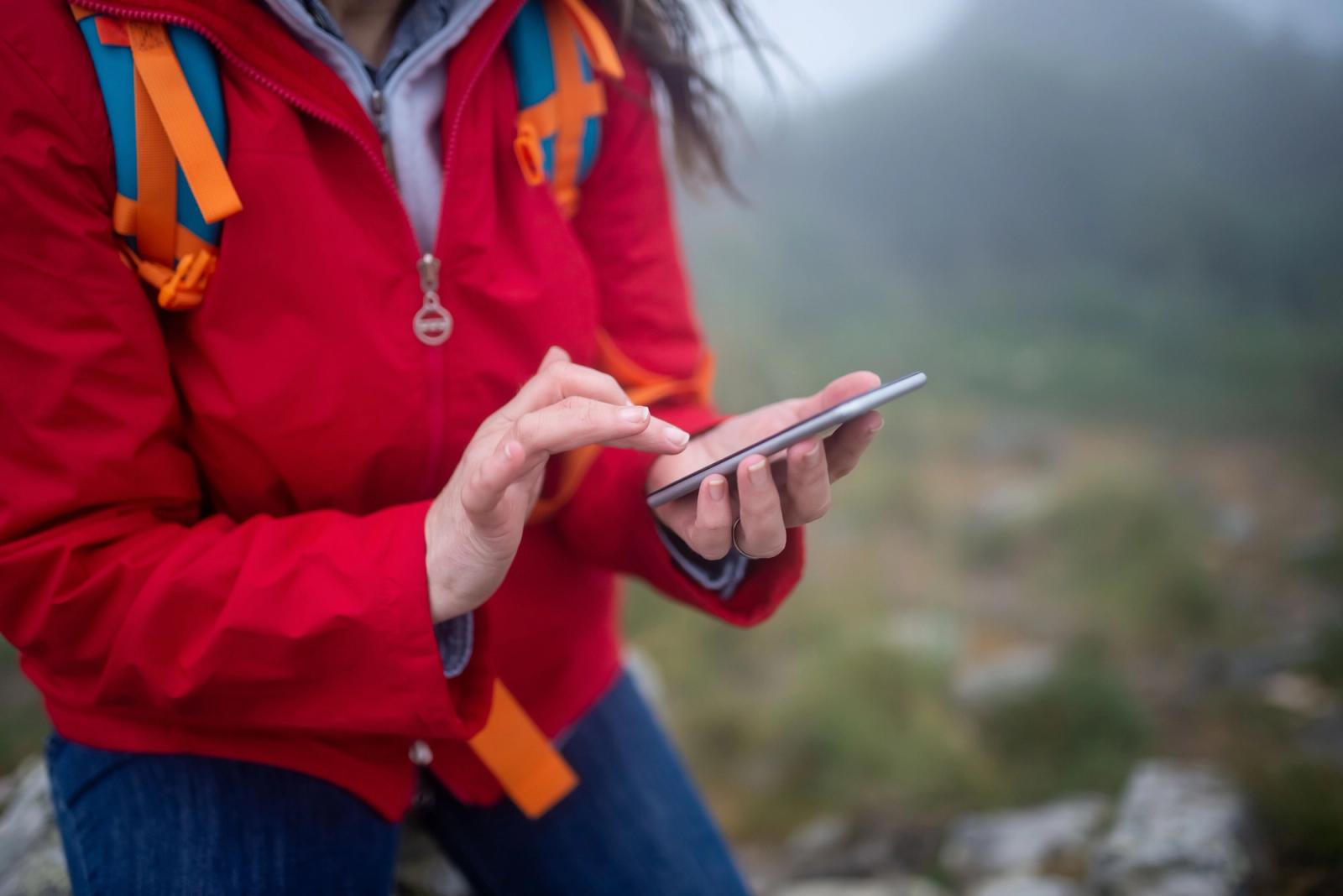
Before travelling to Morocco we didn't give the internet question much thought. The plan was what we always do: buy an eSIM, switch on the data when we landed and forget about it for the rest of the trip. In the end we did buy one, and honestly, it turned out to be a great call.
If you've never come across one, an eSIM is a digital SIM card. Instead of buying a physical card when you arrive in the country, you receive a code, install it on your phone before leaving home and, the moment you land, you have internet. The best part is that it doesn't replace your usual SIM: the two live side by side. You keep your number, your WhatsApp and your calls, while the mobile data runs through the eSIM. Just check your phone is compatible before buying one.
These days there are several ways to get online in Morocco:
- Buying an eSIM before you travel, which is the option we went for.
- Buying a Moroccan SIM at the airport or in a shop when you arrive.
- Using roaming with your usual operator, though with most companies it works out painfully expensive, because Morocco isn't part of the EU's free-roaming zone.
Which one should you go for?
If 3 to 5 GB is plenty for you (maps, WhatsApp and a bit of social media), you don't need unlimited data. When we checked, in August 2026, the cheapest option was Yesim: around €10 for 5 GB, valid for 30 days, so it won't expire halfway through your trip.
If you upload videos, live on social media or work from your phone, you'll burn through that in no time and unlimited data is worth it. That's what we did, and what we'd do again: below we'll tell you what it cost us and how well it worked.
eSIM prices change often and there's nearly always a coupon doing the rounds, so treat these as a guide.
The eSIM we bought
After comparing several options, we ended up buying an eSIMFlag eSIM with unlimited data for 7 days.
It cost us €17.15, thanks to a one-off discount our mobile operator applied. Without it, that plan was around €24.50 for the seven days, though there's nearly always a coupon running that brings it down to about €21.
And honestly, it was a lovely surprise.
We expected to have internet for checking Google Maps and little else, but I ended up using my phone exactly as I do at home: social media, uploading videos, replying to messages and even watching Netflix on the bus between Marrakech and Agadir. We crossed plenty of rural areas and the connection barely wobbled.
The only snag was that we couldn't share the internet with Gábor's phone through the hotspot. In theory it was included, so it was probably some setting we missed, but it's worth mentioning.
One of the things we liked most about eSIMFlag is that it sells unlimited data by the day, rather than offering 3 GB, 5 GB or 10 GB bundles like many other companies. We didn't want to spend the week checking how many gigabytes we had left, so we preferred to pay a little more and forget about it entirely.

The cheaper plan we almost missed
We only found this out afterwards, and we wish someone had told us sooner. On the eSIMFlag website, if you search for "Morocco", it takes you to that country's plan… which happens to be the most expensive one: €6 a day, about €42 for a week. But they have a Global plan that also covers Morocco and that, when we checked in August 2026, cost €3.50 a day: about €24.50 for those same seven days. Almost €18 less for exactly the same internet.
We bought ours through the app of our Spanish mobile operator (O2), which gives you the Global plan directly, so we never even realised the other option existed. If you buy on the eSIMFlag website, the trick is not to trust the country search: go to Destinations, switch to the Regions tab and choose Global. You can also go straight to the Global plan and skip the search box altogether. It's the same internet for quite a bit less.
In the end, Gábor spent the whole week without internet
Since we couldn't get the hotspot working, Gábor had no way of sharing my eSIM's data. He could have bought one of his own, but he decided to do something almost nobody does these days: spend the entire week with no internet on his phone.
Before leaving, he downloaded the map of Morocco in Google Maps. Offline it won't give you walking directions, but you can still see the map and your position, and that was enough to find his way around the medina. The rest of the time he was completely disconnected.
And, to both our surprise, he absolutely loved it.
With no notifications, no emails and no WhatsApp interrupting him every few minutes, he enjoyed the trip far more. Only back at the hotel would he hop on the wifi and catch up on everything that had come in during the day.

Why did we choose unlimited data?
It wasn't the cheapest option. In fact, there were considerably cheaper alternatives if we'd bought a fixed bundle of gigabytes.
But we needed to upload reels and videos, work during the trip and not depend on the wifi at our accommodation. We preferred to pay a bit more and forget about data completely.
And given the use we got out of it, we'd do exactly the same again.

Other options we looked at
Before making up our minds we also considered a few alternatives:
- Airalo and Yesim, usually cheaper if you keep an eye on your data use.
- Holafly, another very popular unlimited-data option. One thing to check though: if you're planning to buy a single eSIM and share it with another phone, it only lets you share 1 GB a day.
- A Moroccan SIM, probably the cheapest alternative, though it means finding a shop, registering it with your passport and waiting until you've bought it to get online.
Is an eSIM worth it in Morocco?
For us, yes. Dodging roaming charges and landing with the internet working from the very first minute already makes it worth it. Buying it before we left also saved us traipsing around looking for a shop as soon as we arrived.
After this experience, we'd travel to Morocco with the same eSIM again.
FAQ
Which eSIM should I buy for Morocco?
We used eSIMFlag and it worked brilliantly for us: unlimited data for 7 days for €17.15 (with our operator's discount). We haven't tried other brands first-hand, but comparing prices the key difference was clear: providers that charge per GB, like Airalo or Yesim, work out cheaper if you watch your usage, while unlimited-data ones, like Holafly or eSIMFlag itself, cost more but save you the counting. Choose by how you use your phone: for maps and messaging a few GB is plenty; if you upload videos or stream, go unlimited.
Is an eSIM worth it compared to roaming in Morocco?
In our case, yes, and by a long way: roaming with our Spanish operator (O2) came to around €12 per MB in Morocco, so a handful of megabytes would already have cost more than the whole week's eSIM (€17.15 for 7 days of unlimited data). Bear in mind those are O2 Spain's rates: if you're with another operator, check its charges for data outside the EU before relying on it.
Do Google Maps offline maps give walking directions in Morocco?
No: it's a general limitation of the app, not something specific to Morocco. Offline mode only offers turn-by-turn navigation for driving; walking directions don't work without a connection.
Do I need internet to activate an eSIM?
Yes: activation requires a connection, so install and activate the eSIM before you lose coverage (on your home wifi, for example), not when you land.
Does an eSIM replace my SIM card, or do both work at the same time?
Both work at once. The eSIM doesn't replace your usual SIM: the phone keeps both lines active and you choose which one uses the data (in our case, the eSIM). Your usual number stays available for calls and messages, and only the data goes through the eSIM. The one requirement is that your phone supports dual SIM or eSIM, so check that before buying.
How much data do I need for a week in Morocco?
It depends on how you use your phone. For maps, WhatsApp and a bit of browsing, 3 to 5 GB is plenty for a week. If you post photos and videos every day, stream series or work from your phone, you'll run out quickly and an unlimited plan will pay off. We went for the latter, precisely so we wouldn't have to think about megabytes.