10 Things You Can't Miss in Krakow
From the Rynek square and Wawel Castle to Kazimierz, the Wieliczka Salt Mine and proper pierogi: the 10 things you can't miss in Krakow.
 Miriam7 min readVerified · July 2026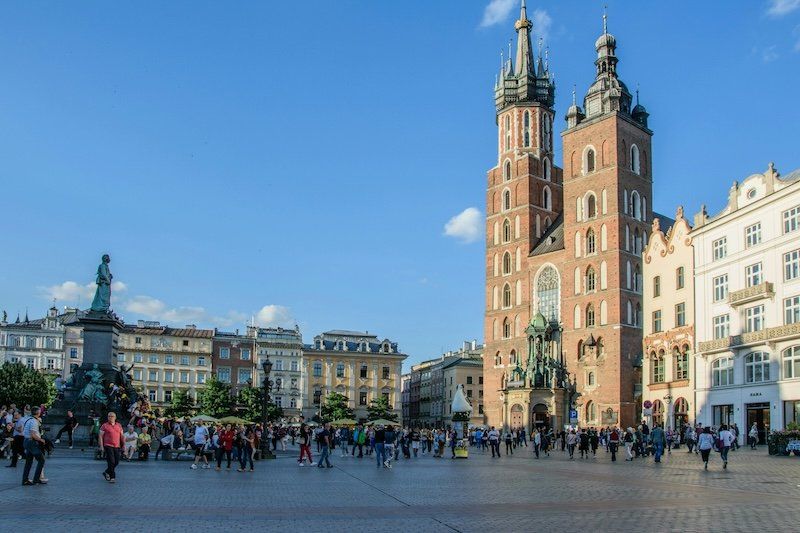
Krakow is one of those cities that instantly charms you with its rich history, beautiful architecture and easy-going atmosphere. Compact, walkable and refreshingly affordable, it's ideal for a first city break, a culture-packed long weekend or a family trip. Whether it's your first visit or your third, here are the 10 things you shouldn't miss in Krakow, plus the best day trips and where to eat like a local.
Krakow at a glance
- How many days: 2–3 for the essentials, plus a day for Wieliczka or Auschwitz.
- Must-sees: the Rynek market square, Wawel Castle, St. Mary's Basilica and Kazimierz.
- Best day trips: the Wieliczka Salt Mine, Auschwitz-Birkenau and Zakopane.
- Eat: pierogi, zapiekanka and an obwarzanek pretzel; eat cheaply in a milk bar.
- Getting around: the Old Town is walkable; trams and buses for the rest.
- Best time to visit: May to September for warm weather; December for Christmas markets.
1. Main Market Square (Rynek Główny)
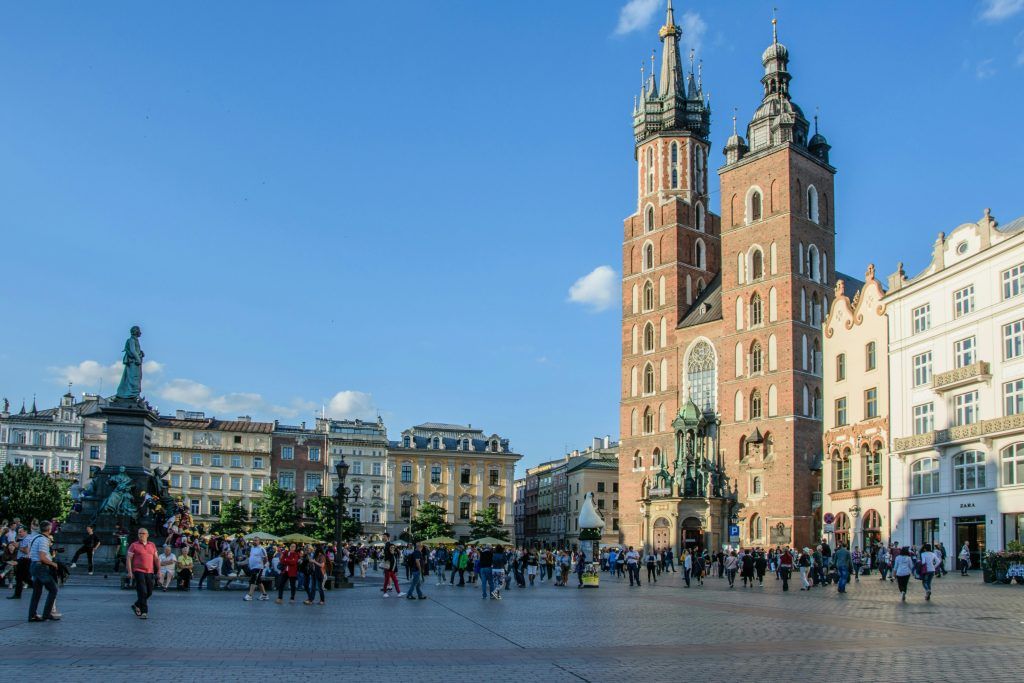
Krakow's Main Market Square (Rynek Główny) is one of the largest medieval squares in Europe and the beating heart of the city, ringed by pastel townhouses, churches and pavement cafés. In the middle stands the Cloth Hall (Sukiennice), a Renaissance market hall where you can still shop for amber and local crafts. Grab an obwarzanek — the ring-shaped Krakow pretzel — from a blue street cart, and if you like history, duck below the cobbles to the Rynek Underground museum, built around the medieval market excavations.
2. Wawel Royal Castle
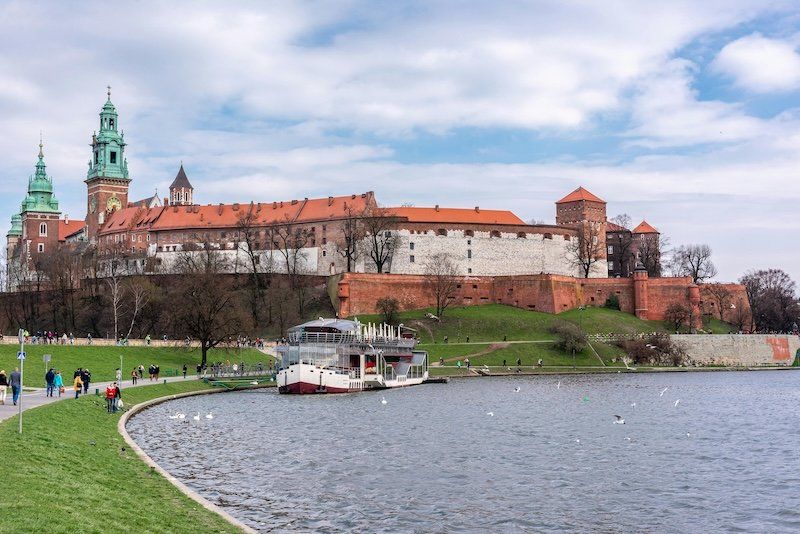
Perched on Wawel Hill, this castle complex was the seat of Polish kings for centuries. You can wander the courtyards and grounds for free, or buy tickets for the Royal Chambers, the Cathedral and the Crown Treasury — book ahead in summer, as timed entries sell out. Down by the river you'll find the Wawel Dragon (Smok), a bronze statue that breathes real fire every few minutes — a guaranteed hit with kids. The views over the Vistula River from the hill are lovely at sunset.
3. St. Mary's Basilica
Right on the Main Square, St. Mary's Basilica is a Gothic church famous for its blue, star-spangled ceiling and the vast wooden altarpiece carved by Veit Stoss — one of the largest Gothic altarpieces in the world. Every hour a live trumpeter plays the hejnał from the taller tower, breaking off mid-tune in memory of a medieval trumpeter said to have been shot mid-call. Step inside for the interiors, or climb the tower in season for rooftop views over the square.
4. Kazimierz, the Jewish Quarter
Kazimierz is Krakow's former Jewish quarter and now its most atmospheric neighbourhood — a tangle of synagogues, indie cafés, vintage shops and street art. By day it's for slow wandering; by night it's the city's best area for bars and live music. Don't leave Plac Nowy without trying a zapiekanka, the open-faced toasted baguette sold from the round market hall. Much of Schindler's List was filmed around here, and it's a moving place to learn about Krakow's Jewish history.
5. Schindler's Factory Museum
Set in Oskar Schindler's former enamel factory, this museum is far more than the story of the film — it's an immersive, deeply moving exhibition on Krakow under Nazi occupation during the Second World War. The rooms are recreated street by street, and it's genuinely powerful. It's one of the city's most popular museums, so book a timed ticket in advance. Next door, art lovers can also visit MOCAK, the contemporary art museum.
6. Planty Park
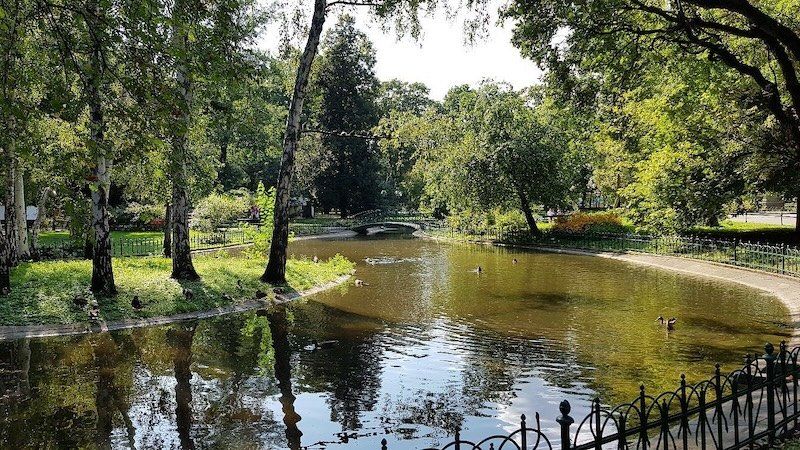
Wrapping right around the Old Town where the medieval walls and moat once stood, Planty Park is a leafy green ring that's perfect for a stroll between sights. It's roughly a four-kilometre loop of shaded paths, benches and fountains — an easy, free way to reset between museums, and a favourite with families who need a run-around break.
7. Eat Pierogi and Polish Comfort Food
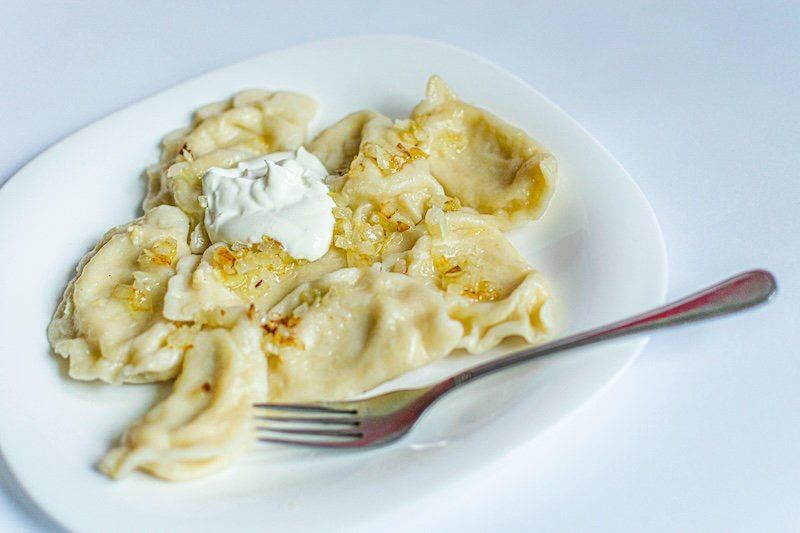
You can't leave Krakow without trying pierogi — the traditional Polish dumplings filled with meat, cheese, potato or mushrooms. For the cheapest, most authentic feed, eat at a milk bar (bar mleczny), a no-frills canteen left over from the communist era where a full plate costs next to nothing. While you're at it, try żurek (sour rye soup, often served in a bread bowl) and wash it down with a local craft beer.
8. Day Trip to the Wieliczka Salt Mine
Just 30 minutes from Krakow, the Wieliczka Salt Mine is a UNESCO World Heritage Site and one of the oldest working salt mines in the world. The tourist route winds past underground lakes, timbered tunnels and vast chambers — including a breathtaking chapel with chandeliers, altarpieces and floors all carved from salt. It's an easy, unforgettable half-day for families and curious travellers; book ahead and bring a layer, as it's cool underground.
9. The Barbican and City Walls
This circular red-brick fortress is one of the few surviving barbicans in Europe, and together with St. Florian's Gate it marks the start of the Royal Route that runs through the Old Town down to Wawel. It's like stepping into a storybook — especially with kids — and in summer you'll often find knights, archers and craft stalls around the walls.
10. Vistula River Boulevards
End your day with a relaxed walk or bike ride along the Vistula (Wisła). The riverside boulevards below Wawel are where locals go to unwind — expect pop-up beach bars, food trucks and live music on summer evenings, with the castle glowing above the water at sunset. You can also see the city from the river on a short cruise. It's the perfect way to slow down and soak up Krakow's charm.
The best day trips from Krakow
Krakow is also a brilliant base for day trips. Beyond the Wieliczka Salt Mine above, two more are worth building into your itinerary.
Auschwitz-Birkenau
About 90 minutes west of Krakow, Auschwitz-Birkenau is the former Nazi concentration and extermination camp, now a memorial and museum. A visit is sobering and deeply affecting, but for many it's the most important thing they do in the region. Entry is free, though a timed reservation (or a guided tour) is essential, and the memorial recommends it for visitors aged 14 and over — so it's worth thinking carefully before going with younger children.
Zakopane and the Tatra Mountains
If you'd rather swap history for fresh air, Zakopane — Poland's alpine resort town — sits about two hours south in the Tatra Mountains. In summer it's for hiking, funicular rides and wooden-chalet charm; in winter it's a ski hub. It's a lovely contrast to the city and a hit with active families.
Krakow isn't the kind of place you need to overplan. It's a city to explore at your own pace, stopping whenever something catches your eye. These are a great starting point, but honestly, once you're wandering the Old Town, Kazimierz and the riverside, Krakow kind of guides you on its own. Give it two or three days and you'll likely leave already planning your return.
Is it worth it?
Absolutely. Krakow packs a gorgeous medieval old town, heavy-hitting history and genuinely good food into a compact, walkable and very affordable city break. Two or three days cover the essentials without rushing — add a day for the Wieliczka Salt Mine or Auschwitz and you'll leave already planning your return. It works just as well for a couples' getaway as for a trip with the family.
FAQ
How many days do you need in Krakow?
Two or three days are enough for the Old Town, Wawel and Kazimierz. Add a day if you want to visit the Wieliczka Salt Mine or Auschwitz-Birkenau.
Is Krakow expensive?
No — it's one of Europe's best-value city breaks. Food, transport and museums cost noticeably less than in most Western European capitals, especially if you eat in a milk bar.
What food should you try in Krakow?
Pierogi (stuffed dumplings), zapiekanka (an open toasted baguette from Plac Nowy), żurek (sour rye soup) and an obwarzanek pretzel from a street cart. Eat cheaply in a milk bar (bar mleczny).
Is the Wieliczka Salt Mine worth visiting?
Yes. It's a UNESCO site around 30 minutes away, with tunnels, chambers and chapels carved entirely from salt — one of the most popular day trips from Krakow. Book ahead.
When is the best time to visit Krakow?
Late spring to early autumn (May to September) for the warmest weather; December brings Christmas markets but cold temperatures.
Is it worth taking a day trip to Auschwitz from Krakow?
Yes, if you feel ready for it — it's a profound and important experience. It's about 90 minutes away; entry is free but needs a timed reservation, and the memorial recommends it for ages 14 and over.
Is Krakow good for families?
Very. The Old Town is compact and walkable, there's the fire-breathing Wawel dragon, the Wieliczka Salt Mine and Planty Park — and it's cheap, so it's easy on both kids and budgets.